The Lovely Bones – Alice Sebold

“If you have a sister and she dies, do you stop saying you have one? Or are you always a sister, even when the other half of the equation is gone?” ― Jodi Picoult

the-lovely-bones-9781447275206I had wanted to read this book for so long. I would often find myself seeking it out in bookshops just after it was released, picking it up and stroking the cover, reading the blurb on the back for the umpteenth time

My name was Salmon, like the fish; first name, Susie. I was fourteen when I was murdered on December 6th, 1973. My murderer was a man from our neighbourhood. My mother liked his border flowers, and my father talked to him once about fertilizer.

But I never bought it.

I have obsessed over the idea of this book for the best part of a decade – a story told by the spirit of a murdered girl, however macabre it may sound, is right up my street. I am fascinated by anything to do with the paranormal and spirituality. I wanted to get to know Susie Salmon better; I wanted to read her story.

So when my good friend Kate over at The Little Crocodile bought me the book last month for my birthday I was over the moon!

The Lovely Bones is a haunting tale told by the spirit of murdered school girl Susie Salmon. Looking down from her heaven Susie observes her family and friends. She watches the devastation and destruction that her murder causes, rippling through her small town, and shaking the community to its very core. Susie watches her family as they struggle to comprehend life without her, leaving the porch light on well after they know she is no longer coming home. As time goes on, and Susie watches her siblings and friends grow older, she learns that she must let go of her anger to allow those left behind to heal.

This book is not for the faint hearted. I become much more emotionally invested in a book than I ever have in film or TV and this one really got to me. I’ve had unsettlingly emotional episodes with books in the past; I grieved for Sirius black after reading Harry Potter and the Order of the Phoenix and Anybody out there? by Marian Keyes threw me into the depths of despair for a good few weeks. This one was different though. Sebold’s writing gave me nightmares, and at some points I doubted whether I would actually be able to finish it.

That is not to say that I didn’t enjoy the book – I did. It was everything I hoped for, and a little more. The effect that this book had on me speaks of the power of Sebold’s words – I was upset by Susie’s death, horrified by the circumstances and devastated by the effect that this had on the family. But more than this, I was distressed by Susie’s position in all this, as an outsider looking in on the effect that her death had in her community. She was intercepted by her neighbour on the way home from school that cold winter’s day in 1973; she never made it home. Susie’s story is incredibly moving in that it details her spirit’s journey, still attempting to find her way home after so many years; she may be in heaven, but her true place will always be on Earth.
SEBOLD_ALICE_0316044938_1._V204759192_

Sebold has taken a story about a murdered school girl and completely turned it around, presenting an intricate analysis into grief and resolution. Fans of crime fiction may be put off to know that there is no secret as to who the killer is, you know him from the start, and if you begin the book hoping for a revelation in which Susie’s killer is brought to justice you will likely feel disappointed. But approach Sebold’s work with an open mind and you will be pleasantly surprised.

The Lovely Bones is beautifully written and hauntingly captivating and will leave you quietly contemplating Susie long after you have finished her story. It is difficult to say who I would recommend the book to – so I will simply say that if you feel intrigued by my review, then give it a go.

Has anyone else read this book? I’d love to hear from you to find out what you thought. Drop me a line or comment below.

To Kill a Mockingbird ten-day (re)read challenge

“I’d rather you shot at tin cans in the back yard, but I know you’ll go after birds. Shoot all the bluejays you want, if you can hit ’em, but remember it’s a sin to kill a mockingbird.” – Atticus Finch

Penguin Random House have today launched a ten-day social media campaign to get people to (re)read To Kill a Mockingbird, ahead of the release of Harper Lee’s highly-anticipated second novel Go Set a Watchman.

9d530ff5ee3031af2d95b62e86f3fa61

The ten-day challenge, which will run from 21–31 May, is described as a ‘a read-along for readers old and new, (re)discovering and discussing the book together to a loose ten day plan.’

‘We’ll together be reading this brilliant piece of work by Harper Lee in preparation for Lee’s second book, Go Set a Watchman, out on the 14th July.’

You can keep up with what’s going on by following the Twitter, Facebook, Instagram and Tumblr sites that have been set up for Go Set a Watchman.

‘During this time we’ll be releasing lots of Mockingbird material, like family tree infographics, story guides and our favourite quotes,’ A Random House spokesperson has said. ‘We’ll also be making a call-out for everyone to share photos of their well-loved copies of To Kill a Mockingbird and hosting competitions to win copies of Go Set A Watchman to be sent out to lucky recipients as soon as the book is published in July.’

I don’t own a well-loved copy, although I did buy a copy of the new edition a couple of months back in anticipation of the release of Go Set a Watchman. I’m just so keen that I jumped ahead of the game!

Haven’t got a copy yet? Click here to solve that problem.

Go Set a Watchman, which sees Scout from To Kill a Mockingbird return to Maycomb as an adult, will be released on 14th July.

****GIVEAWAY****

In keeping with the spirit of the campaign I’ve decided to give you a chance to win a copy of the 50th anniversary edition of To Kill a Mockingbird. So if you want to take part in the challenge, but don’t have a copy of the book here’s your chance to get one. Just comment on this post by Sunday 24th May to be in with a chance of winning. The winner will be selected at random.

Good luck!

I’m having another … Wordless Wednesday

6a00e0099839558833019b02240d56970b
“You can never get a cup of tea large enough or a book long enough to suit me.” ― C. S. Lewis

UK General Election 2015 – Make it count

If you do only one thing today, please take the time to place your vote.

Wild horses couldn’t keep me away from the polling booths. I get such a thrill from exercising my duty as a British citizen, but I know there are a lot of people out there that are not planning on voting – please reconsider.

Not agreeing with any particular candidate is not an excuse not to vote. In a general election all votes are counted and recorded in constituencies across the UK, and this includes ballot papers where the voter has not voted for a candidate. Protest votes count – so have your say.

Remember that the right to vote is a privilege, and a privilege that was not always enjoyed by all. Don’t abuse it.

suff

I’m aware this post is a little out of the ordinary, and so while I’m here let me introduce my newest literary gift to myself. It’s been a difficult week so far and I wanted a treat to cheer myself up. In the spirit of things I chose a book from The Guardian‘s top 10 books about the Suffragettes. 

Falling Angels – Tracy Chevalier

91QV+7AkEtLOne cold January morning, in the wake of Queen Victoria’s death, two young sets of eyes meet across the graves at Highgate Cemetery. One pair belongs to smartly dressed Lavinia Waterhouse, whose mother clings to the traditional values she sees slipping away; the other to Maude Coleman,

whose mother longs to escape the stifling grip of Victorian society. Thrust together by the girls’ friendship, these two very different families embark on a new century that promises electricity, emancipation and other changes that will shake the very foundations of their lives.


Happy voting!

The House at the End of Hope Street – Menna Van Praag

“The world is full of magic things, patiently waiting for our senses to grow sharper.” ― W. B. Yeats

9780143124948_p0_v1_s260x420

‘The house has stood at the end of Hope Street for nearly two hundred years. It’s larger than all the others, with turrets and chimneys rising into the sky. The front garden grows wild, the long grasses scattered with cowslips, reaching toward the low-hanging leaves of the willow trees. At night the house looks like a Victorian orphanage housing a hundred despairing souls, but when the clouds part and it is lit by moonlight, the house appears to be enchanted. As if Rapunzel lives in the lower tower and a hundred Sleeping Beauties lie in the beds.’

This book is so incredibly sweet and gentle, definitely one for a lazy afternoon where you just want to curl up with a book and wile away the hours.

In The House at the End of Hope Street Van Praag vicariously lives out her dream of providing a safe refuge for women who have lost hope and need a place to recover and find their direction in life.

Alba Ashby, the youngest PhD student at Cambridge University has hit an enormous bump in her journey towards academic success. Alone and beside herself she begins to wander the streets of Cambridge, her mind constantly wandering back to ‘the worst event’ of her life. As she walks she attempts to shake away her memories and search for solace in the dark streets of the university city. One night something calls to her on the wind and she finds herself stood before a mysterious house on Hope Street, unconsciously ringing the doorbell. There the beautiful Peggy Abbot welcomes her with open arms and a steaming cup of hot chocolate. Alba is invited to remain at Hope Street for no more than 99 days: ‘long enough to help you turn your life around and short enough that you can’t put it off forever’. As well as having the luxury of no rent or bills, and a room of her own, Alba is promised that she will not have to work through her problems alone.169457_3d60d4c13a1677754831f3f04683f9d2_large

‘If you stay I can promise you this,’ Peggy says. ‘This house may not give you what you want, but it will give you what you need. And the event that brought you here, the thing that you think is the worst thing that’s ever happened? When you leave, you’ll realize it was the very best thing of all.’

Alba is an unusual girl, gifted with a second sight. She has the ability to see those who are no longer living as well as things that others cannot see – sounds, emotions, feelings and scents trail through the air before her very eyes. Birds sing in blue and weave ribbons through the sky, and the words of those she speaks with emerge before her eyes, written as if by an imaginary typewriter, revealing the speakers true colours. When she steps through the door of 11 Hope Street she is perhaps not as surprised as the reader by the magical world enclosed within, and not in the least bit startled by the ghost of girl sat smiling in the kitchen sink.

In The House at the End of Hope Street Van Praag introduces us to an enchanting, magical world. Over the years the house has been home to great women throughout history, black and white images of Sylvia Plath and Dorothy Parker come to life to offer words of wisdom and advice to Alba, the walls rattle and breathe and Alba’s room transforms, filling with book cases, and fluttering copies of hundred of novels. The house is alive, and drops hints and ideas into the minds of the residents, placing notes on their dressers, providing them with gifts to nurture their talents, and denying them those which they must seek elsewhere. Bookish Alba spends her first days curled up in the cocoon of her bedroom, losing herself in the books provided for her by the house, before slowly embarking on her own journey.

In her time at Hope Street Alba goes through even more heartbreak and devastation, as she loses the person closest to her and discovers the truth behind a long kept family secret. These events help guide her on the road towards self-fulfilment, as though every cloud really does have a silver lining. For the first time in her life she is able to make friends, rather than just acquaintances, and she discovers that people living right beneath her nose will soon come to mean the world to her.

)7_WillPryce_CUL_There are twists in the story, some that I saw coming, and some that I didn’t, but all of which are delightful and sure go bring a smile to your face. Do not expect to find out exactly what Alba is running from right away, it takes some time, Van Praag teases the secret out deliciously, keeping you reading on long after you should have put the book down and started on supper.

As a Cambridge girl myself, I really enjoyed reading about the Cambridge Alba inhabits. I loved to imagine her slipping on the cobbles outside Trinity College, and running through the lanes, darting into a little bookshop to shelter from the rain, and delighted at her description of the Cambridge University Library as ‘her cathedral’.

Bookish types are sure to enjoy this book, and I would recommend it to anyone who enjoys gentle fantasy and magical realism. I would not say the book has changed my life and made it onto my favourites list, but I definitely enjoyed it, and was awarded with that warm feeling of satisfaction that comes from finishing a truly pleasant book.

May bank holiday – I like books that tell a story

A long weekend is the perfect excuse for a leisurely Saturday. Today we headed into town for a spot of lunch and a wander around market, and I just couldn’t resist slipping into the Oxfam bookshop on Sidney Street.

After treating myself to a few new books last week, I promised myself I wouldn’t buy anything. I reasoned that I would only go in for a look, just to be around the books for a bit and soak up that great used-book smell. After spending a few idle moments perusing the classic texts I stumbled upon the collectables – truth be told, I was looking for the children’s section, but it seems they’ve rearranged the place since my last visit.

Nestled in amongst some dusty hardbacks by authors whose names I’d never heard, and ancient cook books the likes of which might have graced my Grandfather’s kitchen shelves, I found a well-loved volume of children’s stories.

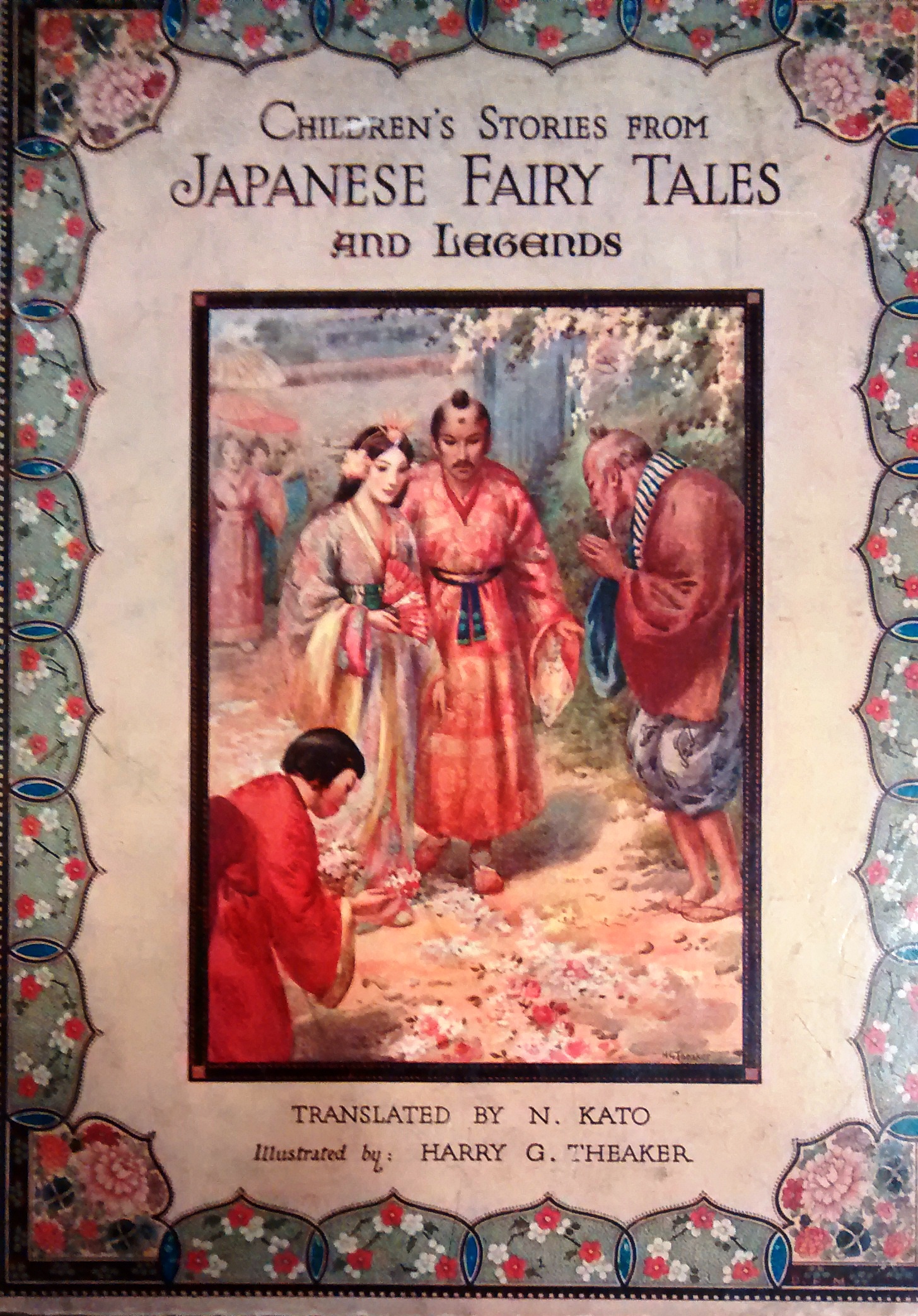
Children’s Stories From Japanese Fairy Tales and Legends

IMG_20150502_211149121

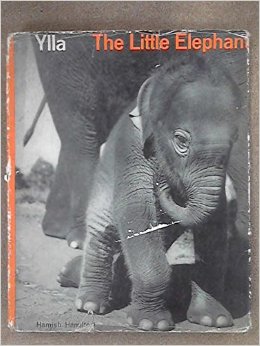
I love old children’s books. Our sitting room contains a bookshelf dedicated to children’s literature, where all the old fables and fairytales I was given as a child sit amongst Sebastian’s French Tin Tin comics and several tatty picture books by Hungarian photographer Ylla.

51wiPbAU-gL._SY344_BO1,204,203,200_ 13903 cd071ccf01530a024bce2608bcb599c5

I knew I wanted to add this one to my collection before I had even taken it off the shelf. I’ve never read a Japanese fairy tale, and was interested to see how they would compare to my childhood favourites by Hans Christian Andersen. A quick glimpse inside the book let me know I was making the right choice.

IMG_20150502_204200589

I’ve never managed to pick up an old book with an inscription without buying it. There is something so beautiful about an inscription, as though it gives the book a story of its very own. Questions about the previous owner immediately started entering my mind. Were they a little boy, or a little girl? Why was Daddy gifting the book alone? Are they the only previous owner?

After trying, and failing, to strike up a conversation with the gentleman behind the till by informing him, somewhat excitedly, that there was an inscription in the book, I wandered home with my loot.

I spent the afternoon sat out sunshine getting to know my new friend, running my fingers lovingly over the pages to feel the indentations left by the old printing presses, and reading the first tale ‘The Daughter of the Moon’ – a charming story about a bamboo cutter who adopts a beautiful fairy.

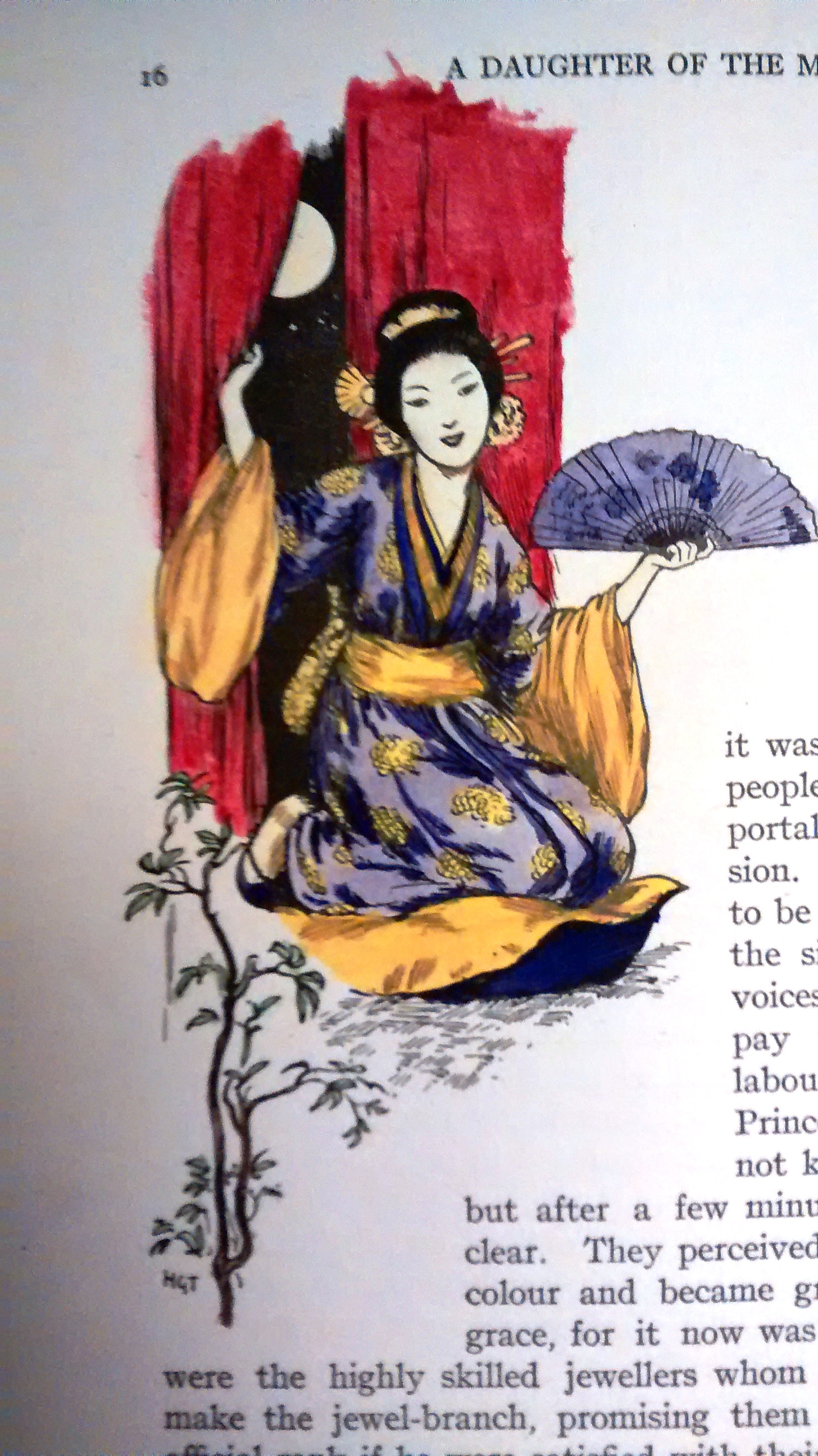
As much as I liked the first tale, the thing that got me really excited about this book was the illustrations. There is the occasional printed colour plate often found in children’s books from the early 20th century, but there are also images included in the text that have been coloured in by hand.

   IMG_20150502_204225736           IMG_20150502_204405777

Towards the front of the book the pictures have been filled in delicately, with something resembling watercolour paints (above left). I had a look at other editions of the books online, and the images were definitely in no more than black ink when the book was first published. They must have been coloured in by one of the previous owners – was it the child who first received the book from ‘Daddy’ in 1930?

As I got further into the book I noticed that the images were no longer coloured with paint, but instead with coloured pencils, and the signature scratch of a much younger child (above right).

Without knowing anything about the previous owners, I can’t know for sure who coloured the pictures in, but this makes it all the more exciting. This book has its own mystery; a secret story told only in marks left behind by the ghosts of the past. If the first owner of the book did contribute to the coloured in images, and I like to think that they did, I do hope ‘Daddy’ wasn’t too cross.

Birthday fun!

Today calls for prosecco and a picnic!

image

Cambridge Book Club – The Miniaturist

18498569Last week I met up with the Cambridge Book Club for the first time. The book up for discussion this month was Jessie Burton’s The Miniaturist, which, if you live anywhere other than under a stone, you will no doubt be familiar with. But for those of you who have avoided looking at the best-seller lists for the past few months, here’s a quick summary:

The Miniaturist tells the story of 18-year-old Petronella “Nella” Ooortman, who travels from her humble family home, to a house in the wealthiest quarter of Amsterdam, owned by wealthy Dutch merchant, and Nella’s new husband, Johannes Brandt.

As she steps beyond the threshold of the Brandt household, Nella is welcomed not by the warm embrace of her new love, but the cold words of Johannes’ sister, Marin, and the immature giggles of the household staff. She finds herself, not the mistress of a grand abode, but a stranger in a foreign land. Her feelings of isolation are further compounded, by her illusive husbands wedding gift to her, a cabinet-sized replica of her new home.

The Brandt household is not all it seems, however, and Nella soon find her new home life begins unravelling around her. She soon realises the steps she must take to save the family from ruin. Expect to uncover hidden loves, seething scandals, and a mysterious miniaturist who predicts her customers’ future. Travel back to Amsterdam in this unflinching tale of a family’s journey towards freedom in a repressive and judgemental society.

On the whole I really enjoyed the book, I found the storyline intriguing, and once I had started I struggled to put the book down. I don’t think it’s a life changing piece of literature, it’s a best-seller, and as such is quite widely appealing and very readable.

Here are some of the main themes and questions that emerged in our discussion:

– The miniaturist’s identity: Could more have been done with this character? Did Burton give enough of an explanation?
– The fate of the characters: How would the household have survived after the novel had ended?
– The ‘twist’: Was it good enough? Did Burton take a too obvious route?
– Burton’s treatment of Marin, Johannes’ stern, feminist sister: Why did Burton choose to take this route with Marin? Did she remain true to her identity?
– The relationship between Cornelia and Otto: Was there more to this than first met the eye?
– Corruption, and the criminal underworld of Amsterdam: Do you think Burton delved far enough into this area? Was just peeking beneath the surface sufficient?

World Book Night – Amazon freebie!

In celebration of World Book Night I have teamed up with author N Caraway to offer you all the chance to read his novels for free on your kindles.

World Book Night is an annual celebration of reading and books that takes place in the UK on 23 April. Across the country volunteers give out hundreds of thousands pre-chosen books in their communities to share their love of reading with people who don’t own books or are unable to read regularly.

This years book list has some cracking reads on it – check out the World Book Night website for more information, and to locate participating venues.

And for those of your who can’t participate in any of tonight’s events head on over to Amazon, or Amazon UK, and grab yourself a free ebook to sink your teeth into instead.

Click on the book covers to get yourself a copy.

The Manneken Pis

maneA lonely old man is living out the last days of his life in Brussels, a city that alternates between small-town non-entity and extreme surrealist quirkiness, symbolised by the famous statue of a small boy urinating. Increasingly confused by the effects of a heart attack, he tries to find meaning in one last rational act of kindness before he dies.

Set in the capital of a rapidly ageing Europe, the second novel by N Caraway is a tragicomic study of solitude and growing old that also provides a surprising new take on the theme of the classic Frank Capra movie ‘It’s a Wonderful Life’.

The Humanitarian

51W+tDMNtgLAfter decades of civil war a peace deal is in the offing for the ravaged land of South Sudan, where the United Nations and a plethora of non-government organisations have come together to deliver emergency aid to the thousands of displaced and homeless people scattered in camps and villages across the vast wilderness of swamps and scrubland.

Richards is a UN official on his final mission, leading a small team to a remote region. For him it is not just the war which is ending, but the world he has come to inhabit. Detachment and isolation from all that is around him begin to take hold and memories of another life threaten to break through the thin walls he has built around himself. As he sinks deeper into inner darkness a chance meeting with a young priest seems to offer the hope of a way back to belief in humanity and meaning, but the road is rough.

Spring has sprung – Byron’s pool

The last week or so has felt like a new beginning after a very long and dreary winter. The other morning I was overjoyed to wake up with the sun on my face and more or less leapt out of bed. A sunny day off is not to be wasted. So my beloved and I headed down to one of my favourite local walking spots – Byron’s pool.

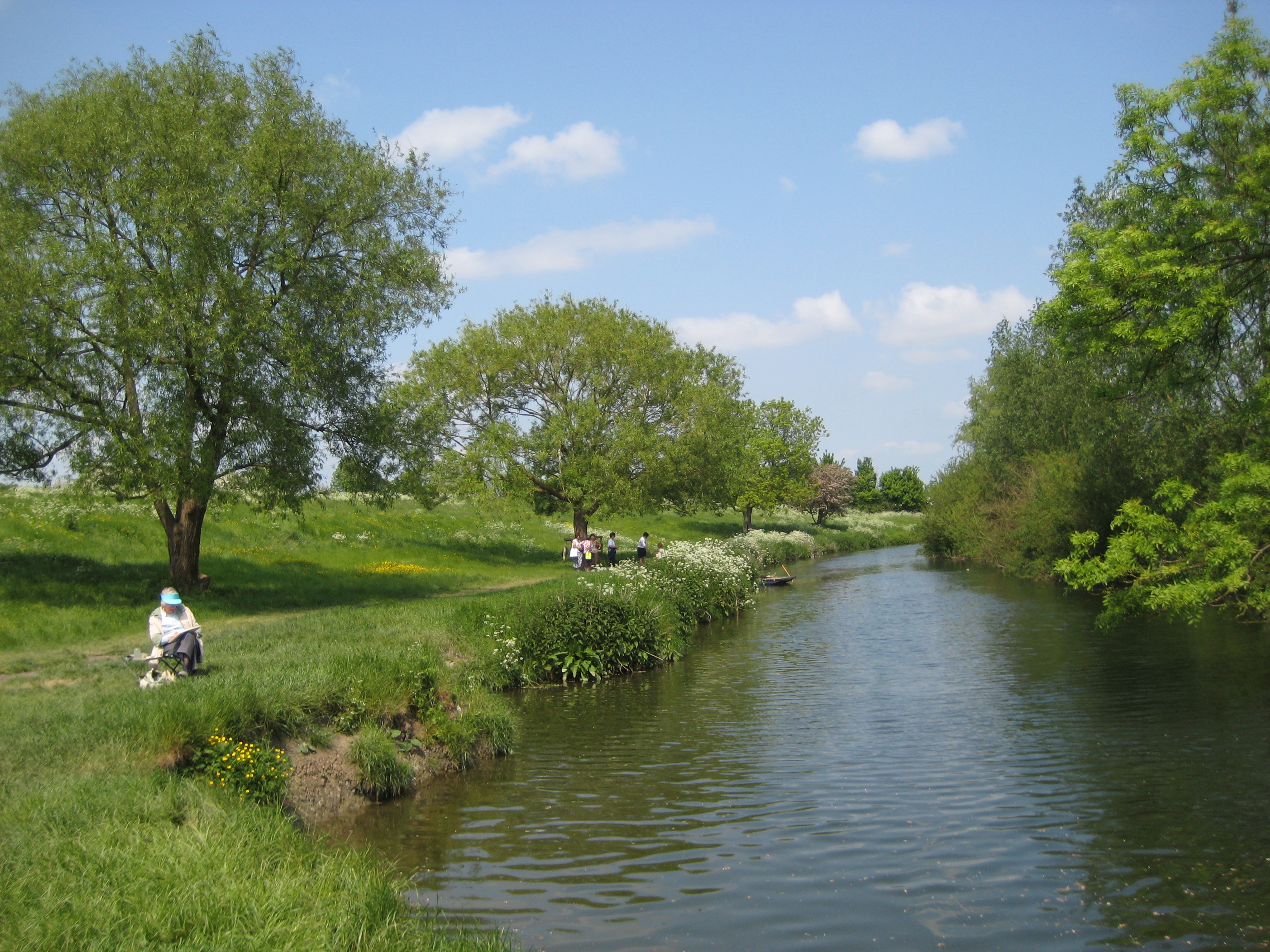
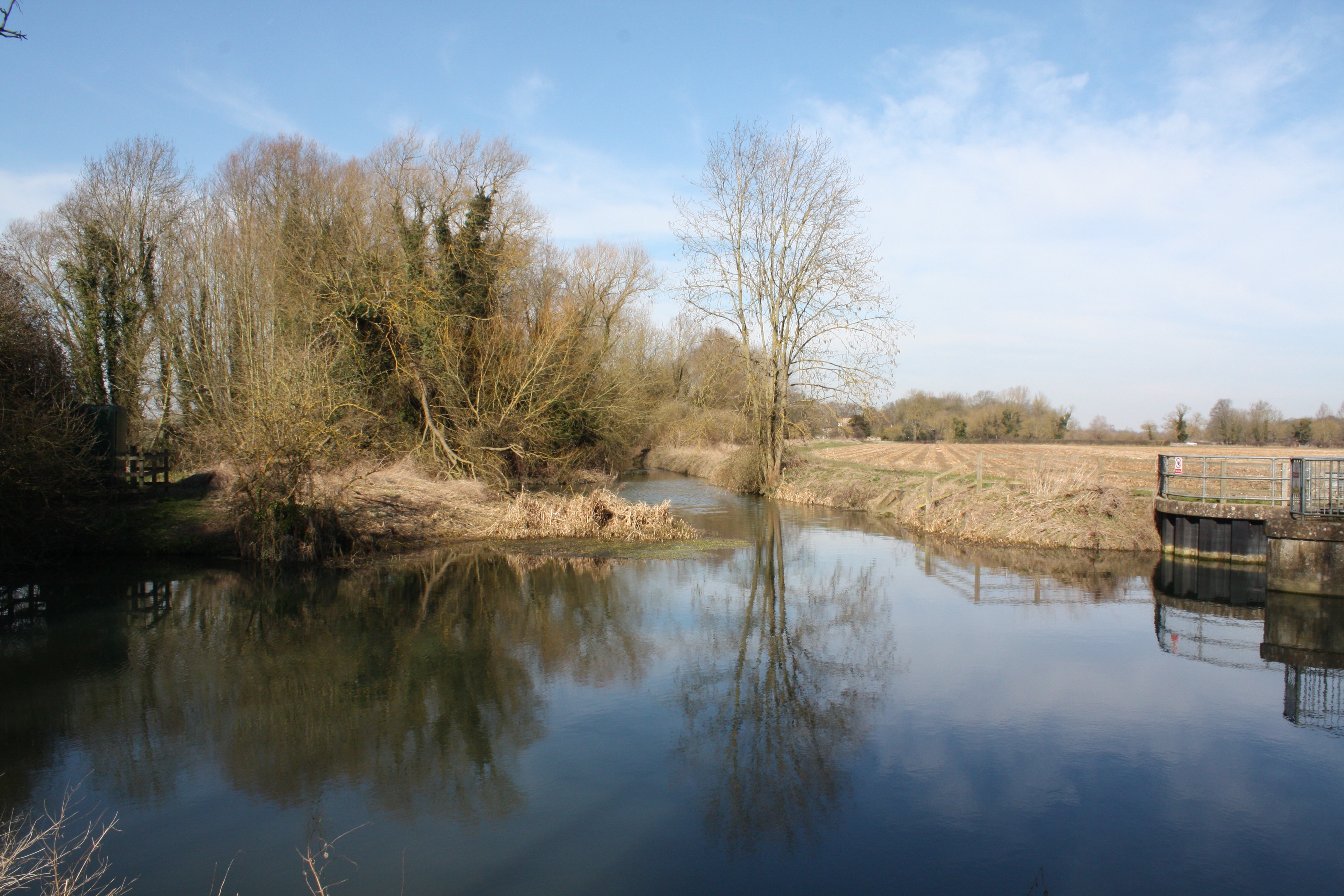
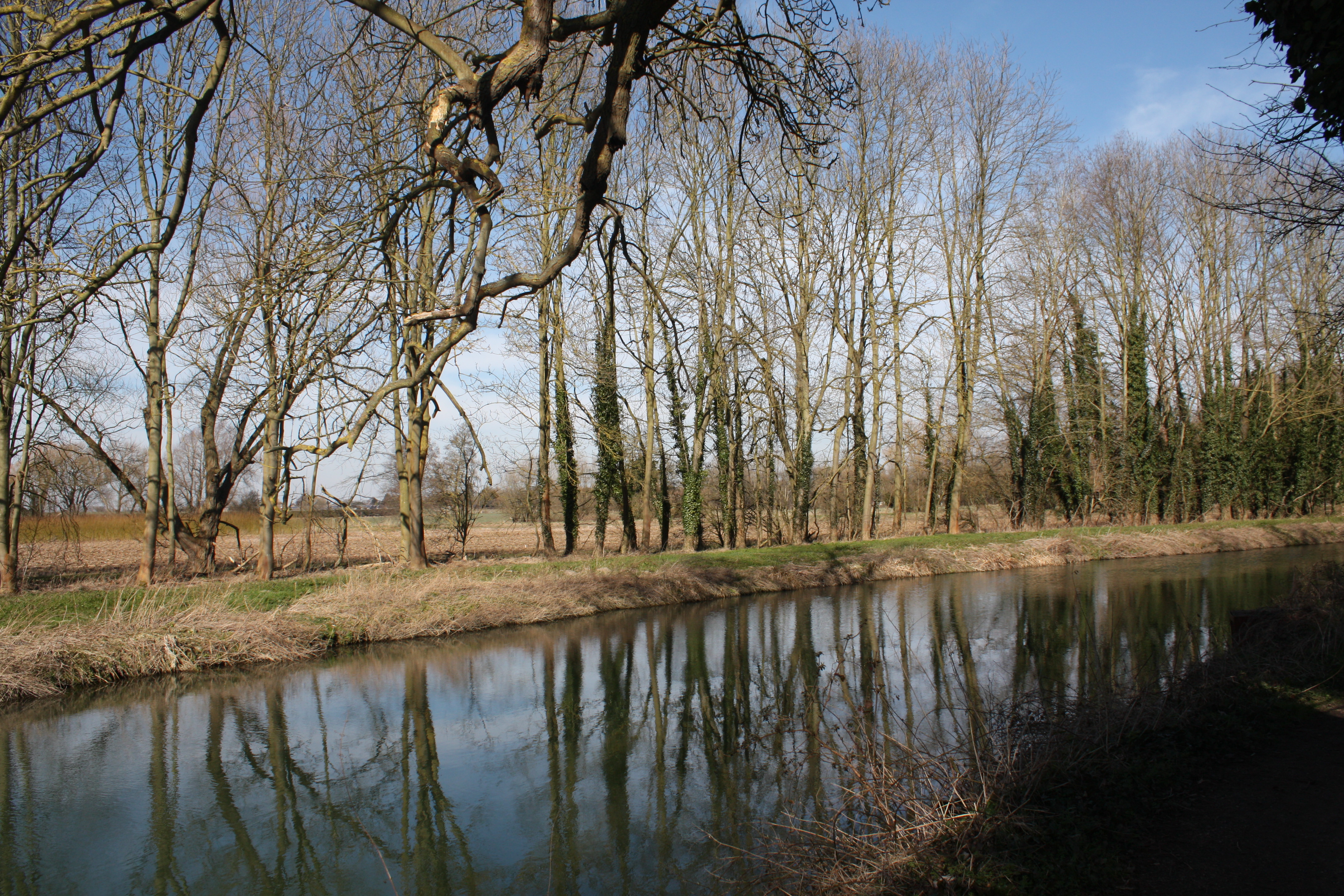
Byron’s Pool is a small nature reserve on the outskirts of Cambridge in the village of Grantchester, named after the poet Lord Byron, who it is said, would swim at the weir pool on warm summer’s days. It’s a picturesque location, and perfect for a leisurely walk along the River Cam.

If you have never been to Grantchester you could do worse than to plan a day trip, the village is a truly beautiful location.

Banks_of_the_Cam_at_Grantchester If you need more convincing, this should do the trick:

…………………. would I were
In Grantchester, in Grantchester! –
Some, it may be, can get in touch
With Nature there, Or Earth, or such.
And clever modern men have seen
A Faun a-peeping through the green,
And felt the Classics were not dead,
To glimpse a Naiad’s reedy head,
Or hear the Goat-foot piping low:…
But these are things I do not know.
I only know that you may lie
Day-long and watch the Cambridge sky,
And, flower-lulled in sleepy grass,
Hear the cool lapse of hours pass,
Until the centuries blend and blur
In Grantchester, in Grantchester ….

Rupert Brooke, The Old Vicarage, Grantchester, 1912

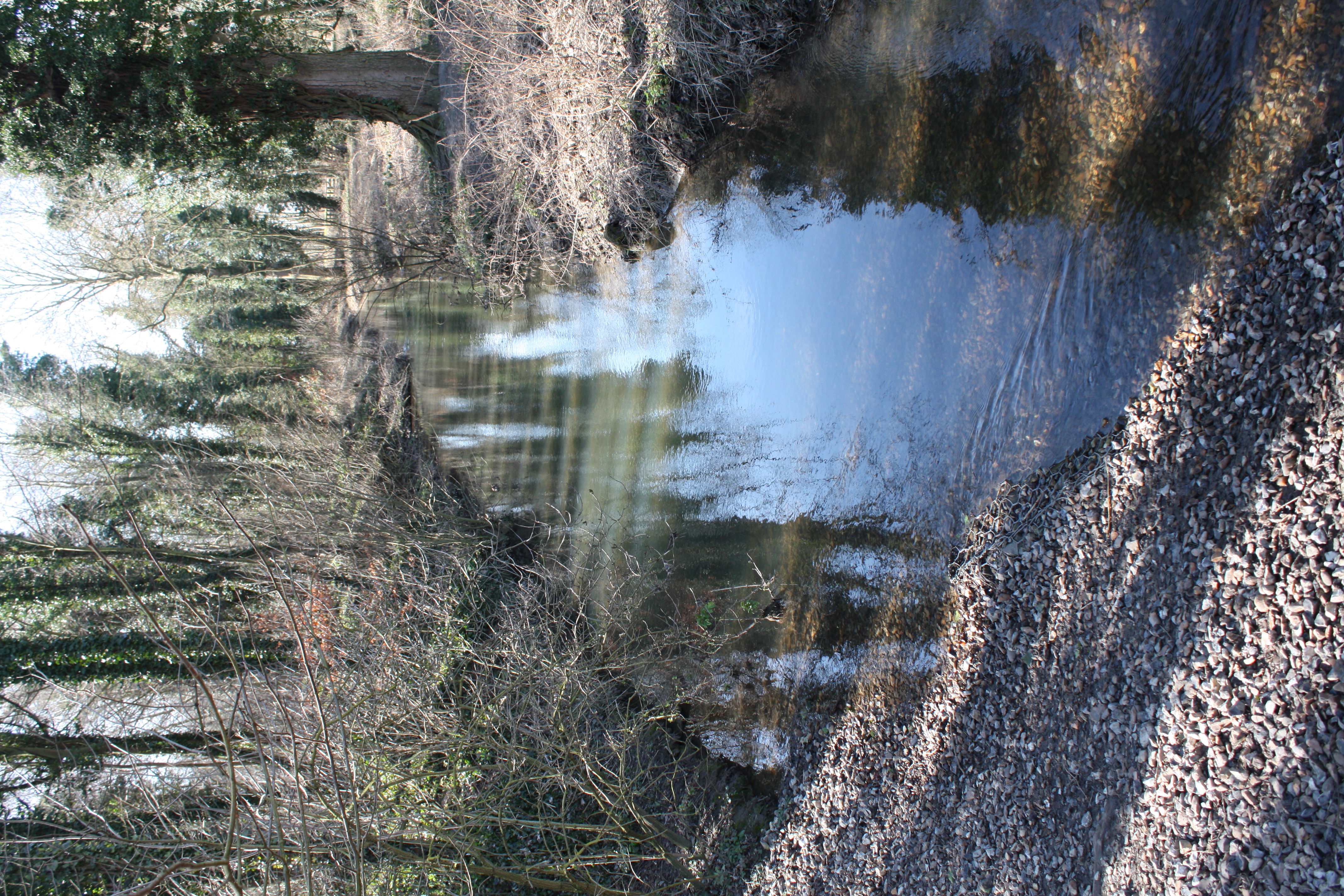
Byron’s pool itself is just outside of Grantchester. A public footpath through the reserve takes you in a loop alongside the River Cam, and around a small patch of quiet woodland. The river is calm and quiet, brimming with water lilies, with small shallow streams of crystal clear water and darting sticklebacks running through the woodland. The woods, though just beginning to bud in the early spring, comes to life in the summer with hundreds of sweet smelling wildflowers, daisies, willowherb, hogweed, ragwort, dovesfoot, meadowsweet, elder, ivy and cows parsley to name but a few.

IMG_0020

I think the main thing which draws me towards Byron’s Pool is the knowledge that Byron spent time there, and, if you listen to Brookes, perhaps still does:

Still in the dawnlit waters cool
His ghostly Lordship swims his pool,
And tries the strokes, essays the tricks,
Long learnt on Hellespont, or Styx.

I like to think that the playful spirit of Byron still roams the area.


George_Gordon_Byron,_6th_Baron_Byron_by_Richard_Westall_(2)Fun Byron fact – Lord Byron was a great lover of animals, and while he was a student at Trinity College installed a tame bear in his quarters. He was compelled to do so after becoming upset that the university forbade the keeping of dogs – they neglected to mention that bears were also forbidden. The college authorities had no had no legal basis to complain, although it is said that they tried to tell him that domesticated animals were not allowed, to which he replied: ‘I assure you that the bear is wild.’

I love the idea of wandering around with the spirits of poets past, and always feel compelled to slip beneath the water as to become even closer to the celestial body of Byron – Alas!IMG_0039

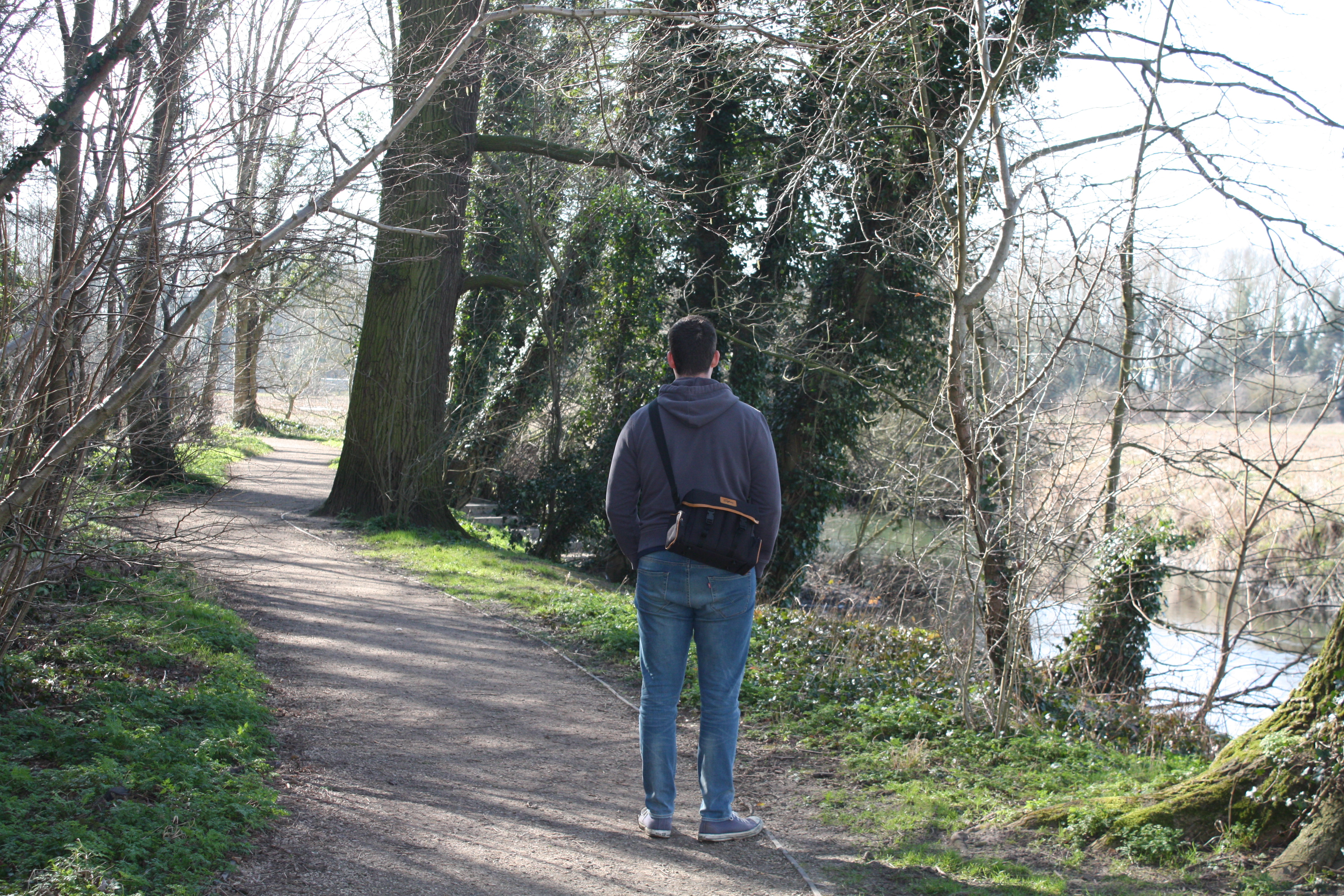
As always I had to settle for a quiet walk, pausing every now and then to try and capture the scene through the lens of my camera.

IMG_0036

IMG_0029

IMG_0035

IMG_0040

Walking with the boy on this warm spring day we spoke casually about the location and came upon a bit of difference of opinion. Sebastian thinks the location is ruined by its close proximity to the M11, and while I will concede that this doesn’t add to the experience it does not ruin it for me. I would be lying if I said I can’t hear the road, it is there, in the background, but the sounds of the river, the birds, and the breeze through the trees disguise this for me. Focus on the road and you will hear it, lose yourself in the location and it can pass you by.

IMG_0019