It’s today! It’s today!

I was unbelievably excited to wake up this morning to an email informing me that The Tale of Kitty-in-Boots would be waiting for me when I returned from work. Obviously I would have preferred to wait by the front door for the postman, but somehow I managed to get through the day at work. I then tore home, dived into the book and had it finished before supper time.
I’ve always been a huge Beatrix Potter fan. My childhood box set was always a prized possession of mine and was subject to more than one show-and-tell session back in primary school. The Tailor of Gloucester was always my favourite and I still love to pull the book out and watch the BBC adaption around Christmas time. If there is anything more magical than animals behaving like humans it is animals behaving like humans in the snow. Simpkins in his snow boots is one of my favourite images of all time.
When I heard there was a new book by Beatrix Potter being published I was over the moon. To think that the manuscript remained hidden for over 100 years, only to emerge to celebrate the 150th anniversary of Beatrix Potter’s death – it is almost as though she had planned it. I couldn’t wait to see what this story, written ten years after all her other much-loved tales, had in store for me.
The newest addition to the collection tells the tale of a very serious, well-behaved black cat by the name Catherine St. Quintin who likes nothing more than to sneak out at night and poach animals with her air gun. Like all of Beatrix Potter’s tales it is filled with funny escapades with the characters falling into one or two unfortunate scrapes, before ultimately learning a rather valuable lesson. Diehard fans of Beatrix Potter will be delighted to encounter a ‘stout buck rabbit in a blue coat’, who bares more than a striking resemblance to a mischievous young bunny once seen stealing radishes from Mr Macgregor’s garden – it looks like Mrs McGregor never did get her winter coat – as well as one or two other familiar faces and more than a few news ones.
Of course, half of the delight in a children’s book is in the illustrations and while I will admit I was slightly surprised when I saw that Quentin Blake was illustrating the book, I think the result is absolutely stunning. Who better to illustrate a book by one of Britain’s most-loved children’s authors than one of Britain’s most loved children’s book illustrators? His drawings are nothing like Beatrix Potter’s, but I wouldn’t have liked to read a book where Beatrix Potter’s style was mimicked. Blake doesn’t attempt to fill Beatrix Potter’s shoes, he merely pays homage to her work, and does a remarkable job of it. The illustrations are perfect, wonderfully encapsulating the action and humour in Beatrix Potter’s latest tale.
What’s more Blake’s illustrator’s note, where he hopes that Beatrix potter would have approved of his work and speaks of his pride at being given the opportunity to illustrate such a book, is so sweet and endearing. I truly think he has done wonders with the text and brought the book to life in a way that none other than Beatrix Potter herself could have. My one slight disappointment is that the few drawings that Beatrix Potter did create to accompany the story could not be included in the publication.


Overall, however, I think this book is a real delight to read, filled with Beatrix Potter’s classical charm, but with slightly more adult escapades than the previous publications. There is also a subtle, perhaps satirical ribbon running through it which suggests that what is natural does not always come naturally.
There is no doubt that it was written by the Beatrix potter we all know and love, but the style is different to her earlier works. Not worse, just different. Of course, we can’t know whether there was a deliberate attempt on the part of the author to change her writing style, or if the book was left in a somewhat unfinished state. Whatever the case may be, it is a truly charming read and I will happily place it alongside my other Beatrix Potter books, and no doubt look on it time and time again.
I know the publication is a couple of months too late, but happy birthday Beatrix, may you continue to delight us, and future generations for many, many years to come.
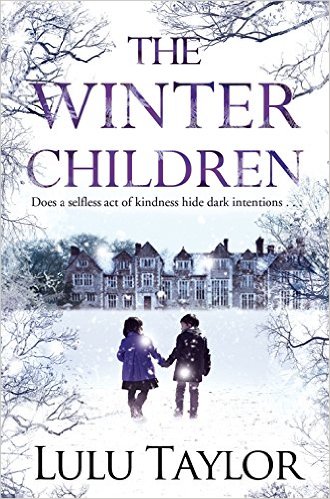


 However uninspiring the title, Short Works, may appear, this is much more than just a book of poems, translations and short stories. The work nestled within this simple cover, accumulated over five decades, is nothing short of a literary treasure trove. It makes me wonder whether there is perhaps something more to the title Short Works – is this just a literal description of the contents in its rawest form, or does it mean something else? The works are really not short at all. I would go so far as to say they are relatively ‘long’ works. While the reader could easily make short work of reading the book – I myself succeeded in a lazy afternoon – it is clear that the author took more than a little more time in writing the book. Perhaps I’m looking too much into this – but I like to think that the, perhaps somewhat dull, title has a deeper meaning, one which alludes to something of the comedian in the author’s personality.


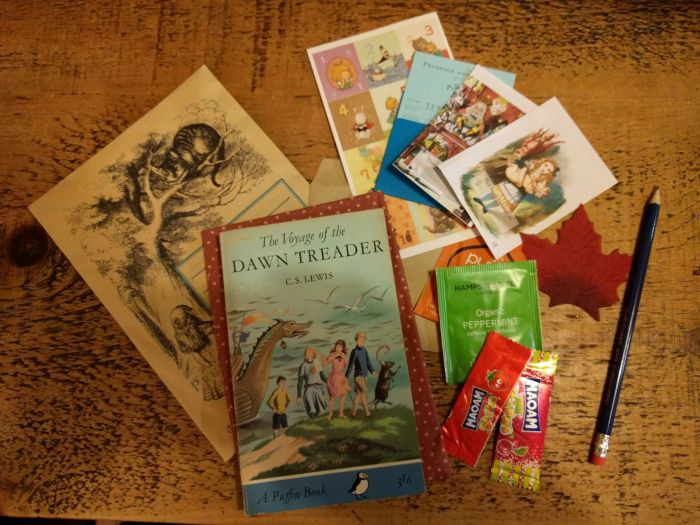
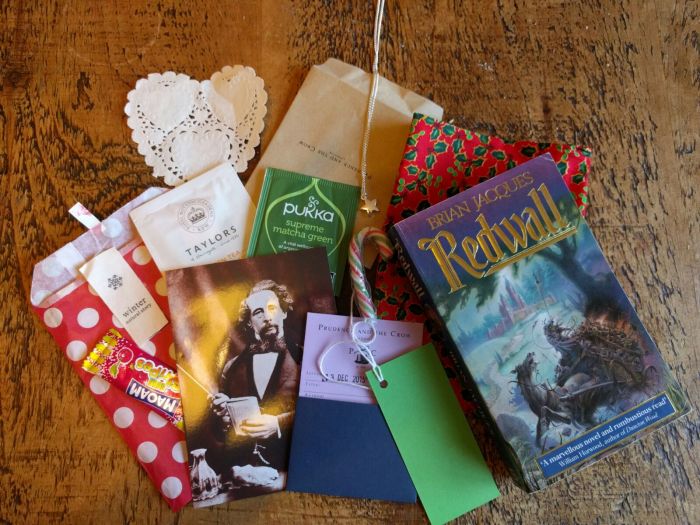
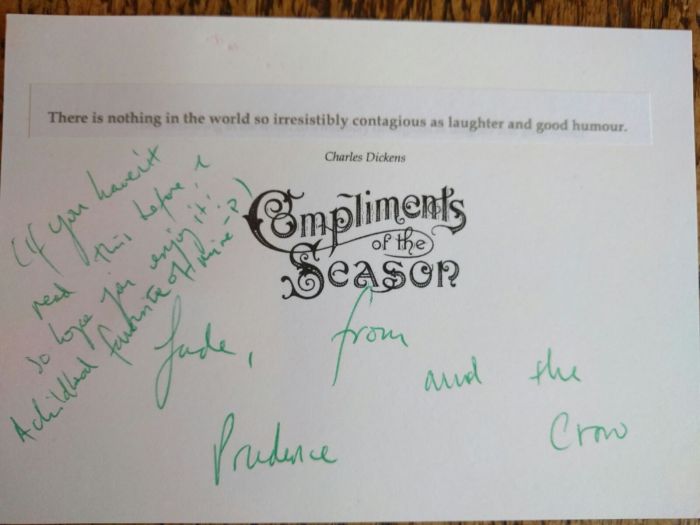

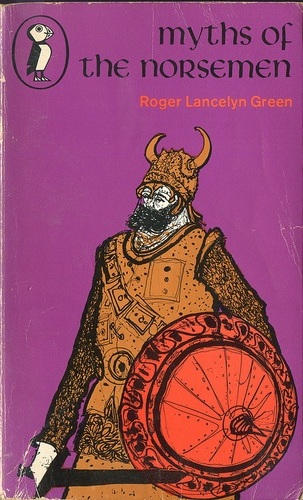 In Myths of the Norsemen, Roger Lancelyn Green has taken the surviving Norse myths, collected from Old Norse poems and tales, and retold them as a single, continuous narrative. The entire Norse timeline is covered, offering a complete and concise history of the Aesir and their dealings with the Giants of Utgard, from the planting of The World Tree, Yggdrasill, right up to the last great battle Ragnarok.
 The Sleeper and the Spindle is a great example of a children’s book made for an adult audience. Think Snow White meets Sleeping Beauty, with some dark magic thrown in. I love modern twists on traditional fairy tales, almost as much as I love traditional fairy tales, so this book was always going to go down well.




 Jade the Obscure