Charlotte’s Web named best children’s book of all time!

“A children’s story that can only be enjoyed by children is not a good children’s story in the slightest.” ― C. S. Lewis

I was over the moon today to learn that Charlotte’s Web by E. B. White had been voted the best children’s book of all time.

The 1952 tale, about a lovable pig named Wilbur who is saved from the slaughter thanks to his unlikely friendship with a resourceful spider named Charlotte, was named number one in a list of 151 books chosen by critics in a poll by BBC Culture.

917FQerThOL

The initial selection was whittled down to a list of the 21 top books in children’s literature, a diverse selection of books which provides a charming glimpse into children’s literature of the past two centuries.

1. Charlotte’s Web – E. B. White
2. The Lion, the Witch and the Wardrobe – C. S. Lewis
3. Where the Wild Things Are – Maurice Sendak
4. Alice’s Adventures in Wonderland – Lewis Carroll
5. Little Women – Louisa May Alcott
6. The Little Prince – Antoine de Saint-Exupery
7. Winnie-the-Pooh – A. A. Milne
8. Charlie and the Chocolate Factory – Roald Dahl
9. A Wizard of Earthsea – Ursula Le Guin
10. A Wrinkle in Time – Madeline L’Engle
11. The Little House on the Prairie – Laura Ingalls Wilder
12. The Wind in the Willows – Kenneth Grahame
13. From The Mixed Up Files of Mrs Basil E Frankweiler – E. L. Koenigsburg
14. The Phantom Tollbooth – Norton Juster
15. His Dark Materials trilogy – Philip Pullman
16. Matilda – Roald Dahl
17. Harriet the Spy – Louise Fitzhugh
18. Pippi Longstocking – Astrid Lindgren
19. The Secret Garden – Frances Hodgson Burnett
20. Goodnight Moon – Margaret Wise Brown and Pat Hancock
21. The Hobbit – J. R. R. Tolkien

There are many books on the list I would have happily seen voted number one, but I think the most deserving book won. The Lion the Witch and the Wardrobe, and Alice’s Adventures in Wonderland, and Little Women are all firm favourites of mine, but they are books I came to love later on in life, whereas Charlotte’s Web was one of the first books I read on my own.

maxresdefault

I loved Charlotte’s Web as a child, and I find it just as enjoyable now as I did twenty years ago. So I am over the moon at it’s number one spot. Books which tell a story from the point of view of animals have always been popular among children, and E. B. White took this classic theme and created something truly wonderful.

I’d love to know what your thoughts are on this. Did your favourite children’s book make in onto the list? Do you think something else is more deserving of the number one spot? Let me know! 

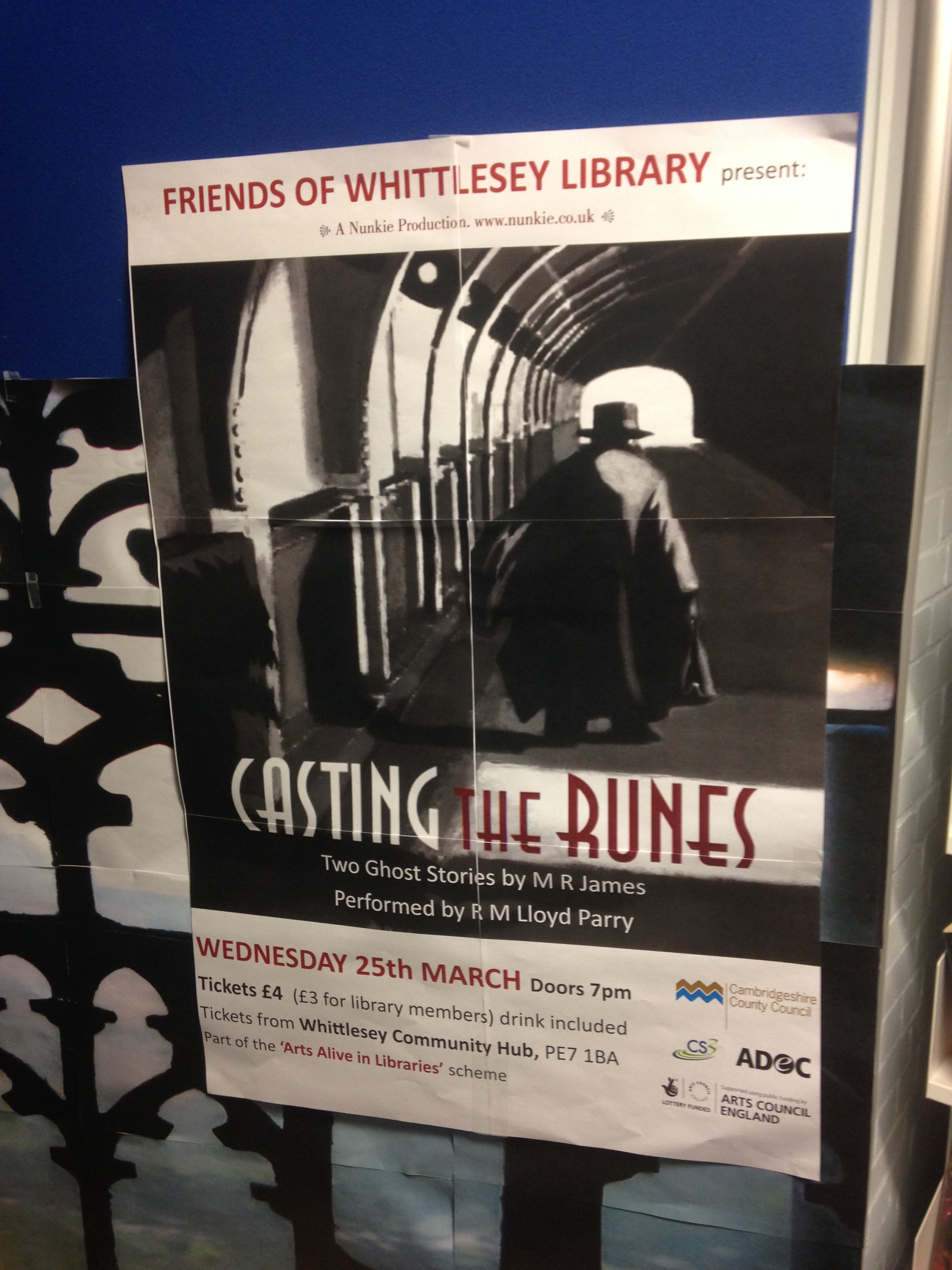
Casting the Runes: An Arts Alive production

“In one aspect, yes, I believe in ghosts, but we create them. We haunt ourselves.” ― Laurie Halse Anderson

25th March 2015 at Whittlesey Library and Learning Centre, 7pm

Robert Lloyd Parry as M R James

IMG_8302By now you will doubtless be familiar with my love of ghosts. So it will come as no surprise to know that I leapt at the opportunity to go to a ghost story reading. I was even more excited by the fact that the stories were those by none other than my favourite ghostly author, M R James. James’s Ghost Stories of an Antiquary is one of my bookshelf essentials. So I was simply quivering with anticipation from the day I was invited by my long-suffering best friend right up until the house lights went down and Robert Lloyd Parry took his place at the front of the audience.

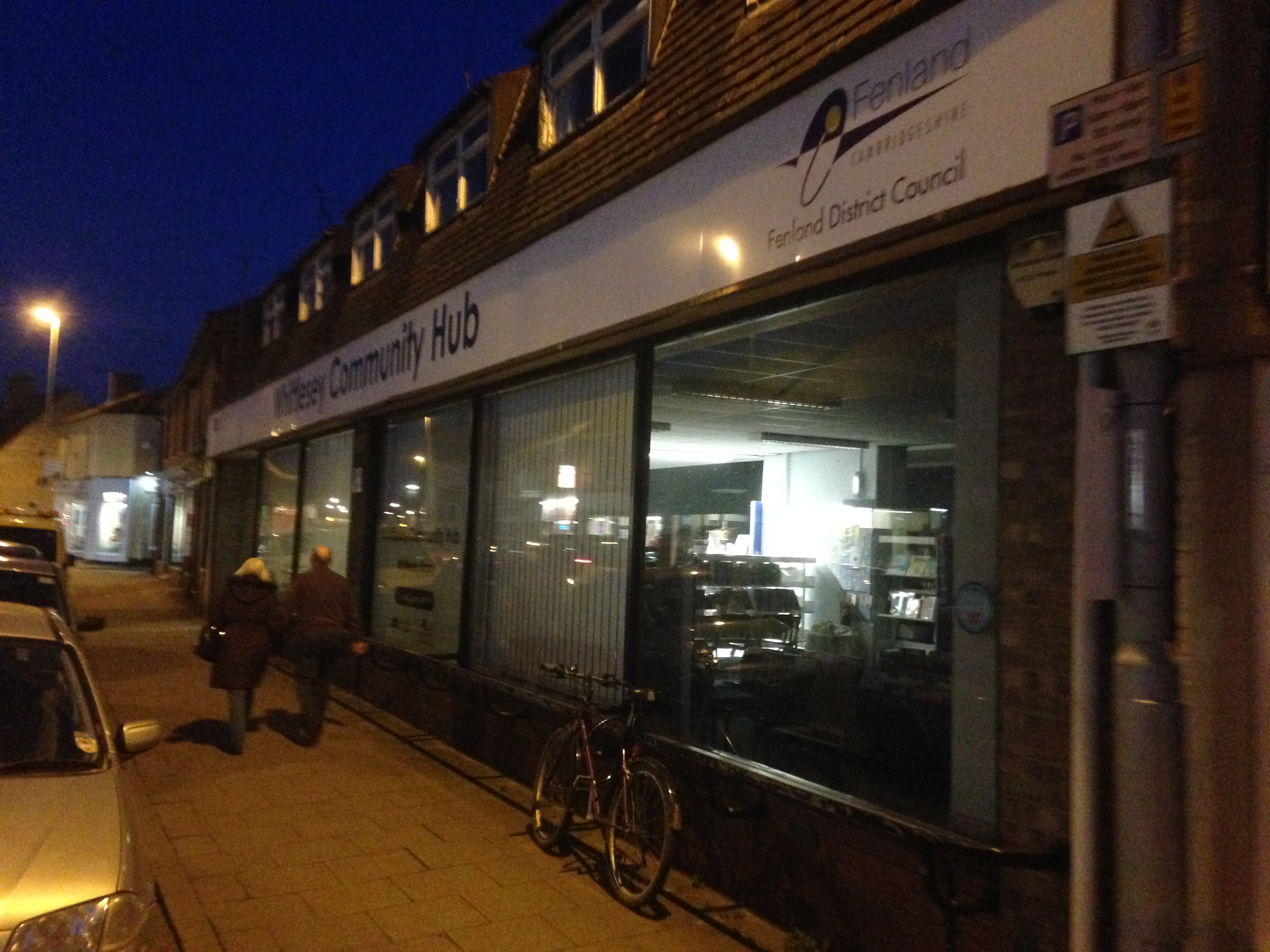
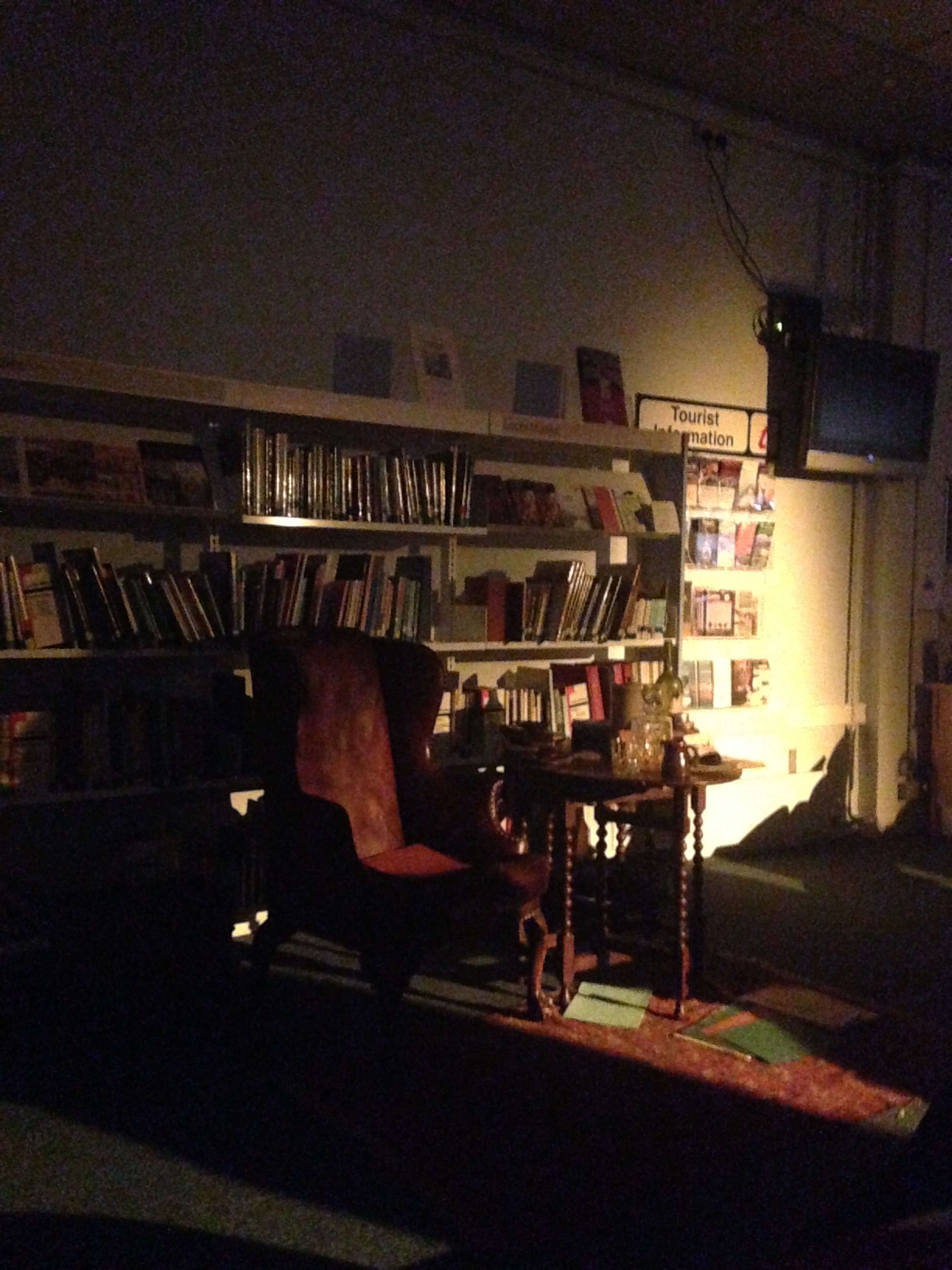
The setting itself was less than spooky, a 20th century community building in the heart of a fenland market town, but the Arts Alive team had done a great job of creating a certain ghostly ambiance. The lights were dimmed, the audience assembled around a single high backed chair, nestled cosily next to a small wooden table topped with a decanter of ‘whisky’, several ageing leather backed books, a handful of old photographs and some other dusty artefacts.

IMG_8300For those of you who are unfamiliar with M R James, there are so many reasons why you absolutely need to get hold of and read some of his short ghostly stories (I recommend to the highest degree possible Oh, Whistle, And I’ll Come To You, My Lad). James is nothing short of a master of the ghost story. His stories specialise in circumstance and the terrible events which can emerge from ignorant mortals meddling in the unknown. His writing is subtle, focusing on the small details; shadows, the voices of madmen and figures glimpsed out the corner of your eye. Like all great gothic writers, James allows his readers to create their own ghosts, existing only in their minds, and never once flitting across the parchment.

Robert Lloyd Parry did a stunning job donning M R James’s persona. The mind boggles at how he was able to reel off a 90 minute performance with such ease, never stumbling over his words or seeming to pause for thought. He expertly assumed not just James but each of his characters, never flinching or breaking character even for a second.

IMG_8303The first story – Casting The Runes – threw the audience back to 1903, and began by with the reading of a collection of letters. The letters informed an unknown character that a draft paper submitted for publishing in a programme was not to be included. These seemingly innocent notes paved the way for a series of strange and ghostly events including vanishing tram adverts, mysterious roadside leafleters, and unknown furry creatures lurking beneath bedclothes, all linked together by the passing of a cursed script. Parry told the story with remarkable ease, barely glancing even once at the audience, and framing the tale from multiple points of view.

When he came to the end of the first story, Parry rose from his chair for the first time and silently swept from the room, leaving the audience alone and awestruck. The house lights came up and we were able to mull about for a short time, enjoying a reasonably priced drink from the charity bar and discussing the past 45 minutes.

I was delighted to find that my other half – who before the event reported that he was ‘livid’ at my forcing him to come along to a ghost story reading – had thoroughly enjoyed the performance thus far. As, it seemed, had everyone else. I’d spent so long raving about M R James in the days running up to this event that I will confess to having been being slightly nervous that the performance would be met with anything other than pure wonderment.

IMG_8305After a short interval the house lights went down, and we were quickly ushered back to our seats. Parry once more slipped into his seat and immediately transformed once again into the evenings faithful host.

The second tale – The Residence of Whitminster – which was in equal parts mesmerising and chilling, was an 18th century tale of the supernatural destruction of a Whitminster residence, beginning with the arrival of a gaunt young man, the disappearance of a jet black cockerel named Hannibal and the feverish rants of a distressed child. Parry assumed the persona of no less than eight characters, slipping seamlessly from one side of a conversation to another, in a performance which had the eyes of the audience glued to his every move.

I was overwhelmed by Parry’s performance; I went to the event as a lover of all things M R James, and was delighted that one man managed to do his work so much justice. The most remarkable thing about the event is one I am not sure I can adequately put into words. I could compare Parry’s performance to the alcohol induced ramblings of an ancient figure propped against the bar of a public house; a one way conversation with a compulsive storyteller; or the confession of one whose secrets have been kept for too long.

The event, I feel, is something you will have to see for yourself in order to fully appreciate it. One of the ladies in charge of Arts Alive said that the events had been very well received, and I can see why. Lovers of ghost stories, fans of M R James, and those who were even slightly intrigued by the beginning of this review, I urge you look and see if Robert Lloyd Parry is performing in a library near you.

Top Ten Tuesday! Literary quotes

I don’t know about you, but I’m finding this week to be a bit of a drag ― and it’s only Tuesday! I am well and truly tired of the bleak weather now. Seriously, where is spring? To cheer myself up, and hopefully bring a little light to your lives too, here are few of my favourite literary quotes for #toptentuesday. Enjoy!

“A tramp tramps, not because he likes it, but for the same reason as a car keeps to the left; because there happens to be a law compelling him to do so.” ― George Orwell, Down and Out in Paris and London

“And I know I can do this because I went to London on my own, and because I solved the mystery…and I was brave and I wrote a book and that means I can do anything.” ― Mark Haddon, The Curious Incident Of The Dog In The Night-Time

“Each day had a tranquility a timelessness about it so that you wished it would never end. But then the dark skin of the night would peel off and there would be a fresh day waiting for us glossy and colorful as a child’s transfer and with the same tinge of unreality.” ― Gerald Durrell, My Family and Other Animals

“How wonderful it is that nobody need wait a single moment before starting to improve the world.” ― Anne Frank, The Diary Of A Young Girl

“I think that the most necessary quality for any person to have is imagination. It makes people able to put themselves in other people’s places. It makes them kind and sympathetic and understanding.” ― Jean Webster, Daddy-Long-Legs

“Innocence is a kind of insanity.” ― Graham Greene, The Quiet American

“It is a truth universally acknowledged, that a single man in possession of a good fortune, must be in want of a wife.” ― Jane Austen, Pride and Prejudice

“Man, unlike any other thing organic or inorganic in the universe, grows beyond his work, walks up the stairs of his concepts, and emerges ahead of his accomplishments.” ― John Steinbeck, The Grapes of Wrath

“People aim for the stars, and they end up like goldfish in a bowl. I wonder if it wouldn’t be simpler just to teach children right from the start that life is absurd.” ― Muriel Barbery, The Elegance of the Hedgehog

“We are all in the gutter, but some of us are looking at the stars.” ― Oscar Wilde, Lady Windermere’s Fan

Some of my favourite fictional ladies, created by ladies

“Being a woman is a terribly difficult task, since it consists principally in dealing with men.” ― Joseph Conrad

Over the weekend #womeninfiction emerged on Twitter, so in running with the theme I’m here to share with you a few of my favourite fictional ladies.

Renée Michel

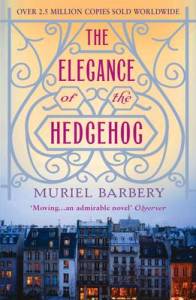
The Elegance of the Hedgehog – Muriel Barbery.

Elegance of the HedgehogRenée Michel is possibly my favourite literary lady of all time. She is a concierge, and self-confessed member of the lower class. Despite how she outwardly appears, she is in fact fantastically intelligent, but she knows her place, and sticks to it, stating that to be “poor, ugly and, moreover, intelligent condemns one, in our society, to a dark and disillusioned life, a condition one ought to accept at an early age”. Madame Michel prefers to lives a secret life, reading Russian literature in the privacy of her lodge while donning the air of a simpleton when speaking with the inhabitants of the apartment complex where she works.

In Renée, Barbery has created a fantastic female heroine for lovers of literature. I challenge anyone to read The Elegance of the Hedgehog and not feel themselves brimming over with admiration for the soft soul nestled within the prickly exterior of Madame Michel.

Petronella Brandt née Oortman

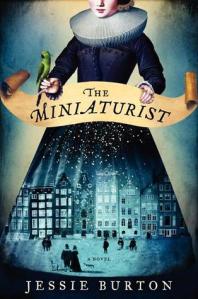
The Miniaturist – Jessie Burton

18498569Petronella is an 18-year-old Dutch girl whose family have fallen on hard times since the death of her father. She is married off to a wealthy merchant from Amsterdam, Johannes Brandt, but has a difficult time fitting into her new life. Petronella, who prefers to go by the name of Nella, attempts to be a good wife to her new husband, but is forever at the mercy of her stern sister-in-law Marin Brandt. Nella begins as a child, before all too quickly becoming a woman, when the crushing weight of her new family’s secrets is placed on her shoulders.

What is there to not love about Nella? In each stage of her growth she is simply delightful: innocent and charming, determined and strong, and finally, reliable and level-headed.

Jerusha Abbot

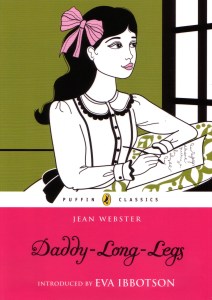
Daddy long legs – Jean Webster

9780141331119Jerusha Abbott, or Judy as she likes to be called, was brought up at the John Grier Home, an old-fashioned orphanage. At the age of 17, she find herself at a loose end, she has finished her education, and is no longer young enough to live in the orphanage without paying her way. Imagine her surprise when one of the John Grier Home’s trustees offers to pay for her to go to university. He will pay her tuition and also give her a generous monthly allowance; in exchange Judy must write him a monthly letter. Judy is told she will never know his true identity and must address the letters to Mr. John Smith, and he will never reply. Judy warms quickly to the trustee, gifting him the persona ‘Daddy Long Legs’, and writing warm, detailed letters each month. Judy dotes on her Daddy Long Legs, and, it appears, he on her.

Judy is an amazing character, gifted with the unique opportunity to turn her rags to riches. Read Daddy Long Legs and I’m sure you will find, too, that you fall in love with the little orphan girl and her extraordinary tale.

Geogianna Lennox

Dead and Buryd – Chele Cooke

dfw-cc-dab-cover-mid (2)Georgianna Lennox is a local medic on a foreign planet ruled by alien invaders, the Adveni. The native people, the Veniche, to whom Georgianna belongs, have become slaves in their own home. Georgianna is somewhat unique among the Veniche as her work allows her to tread within the realms of the Adveni forces, treating the sick and injured within the walls of the infamous Lyndbury prison. For Georgianna this is a way of treating her lost people, but it is not enough. When Georgianna’s friendship with a group of rebels risks putting her own freedom at stake, she is faced with a difficult decision – what will she choose to put first, her family or the freedom of her people?

Georgianna is a strong, determined character, but one I felt extremely comfortable getting to know. Cooke has created a character that is admirable, but also wonderfully human. I found her to be amazingly likeable and funny, despite her hard exterior.

Edwina

Now the Day is Over – Marion Husband

9781908381811-frontcover (2)Are you sick of me talking about Edwina yet? If you are, shame on you, you clearly haven’t taken the time to read the book.

Edwina is the spirit of a young woman trapped between the  early 20th Century, and modern day Britain. Since her death she has lurked the shadows of her former home, critically analysing those who take residence within the walls. In Now the Day is Over she takes the form of super-omniscient narrator, haunting the house which was once hers, commenting on the lives of the adulterous couple who reside within her domain, comparing their existence to the life that was once hers.

I love Edwina because she is so all encompassing. She is deliciously genuine, admirable, maddening, terrifying and somewhat detestable all rolled into one.

Intrigued by any of my lady loves? You know what to do.

Children’s book review tour! Color Therapy: An Anti-Stress Coloring Book

“My world was the size of a crayon box, and it took every colour to draw her” ― Sarah Kay

If yesterday’s review wasn’t out of the ordinary enough for you I hope today will not disappoint.

I recently bought an adult colouring books for one of my friends. She had been under a lot of stress, and I thought it would give her an excuse to do something relaxing and creative to unwind at the end of the day.

Adult colouring books have only really been a ‘thing’ for the last year or so, but if sales are anything to go by they certainly seem to be proving popular. There is no shortage of them on the marketplace, just type the words into Amazon and you will be well and truly spoilt for choice.

I was a little envious of the book I had bought my friend, so I set out to secure one for myself – for review purposes of course.

I was lucky enough to be sent this one for free by Michael O’Mara Books Ltd.

Color Therapy: An Anti-Stress Coloring Book – Cindy Wilde, Laura-Kate Chapman and Richard Merritt

61GoYvLOMHL._SY344_BO1,204,203,200_

My first feeling upon opening the package was one of great satisfaction – the book itself is lovely. There is none of the horrid flimsiness you often get with traditional children’s colouring books, not a single sheet of sugar paper in sight. It’s nice and weighty, with a hard cover and thick, good quality pages.

I spent a few minutes leafing through the pages and was impressed by the effort and attention to detail which so clearly went into the making of the book. A children’s colouring book would normally include a selection of crudely drawn outlines of trees, houses, tractors and smiling faces –  perfect for a child to scribble outside of the lines. Color Therapy, however, shows the sophistication that divides grown-up colouring books from their traditional counterparts. The pages are stunning, an eye watering mix of outlines, patterns, blank pages and illustrations on which to colour, doodle and sketch to your heart’s content.

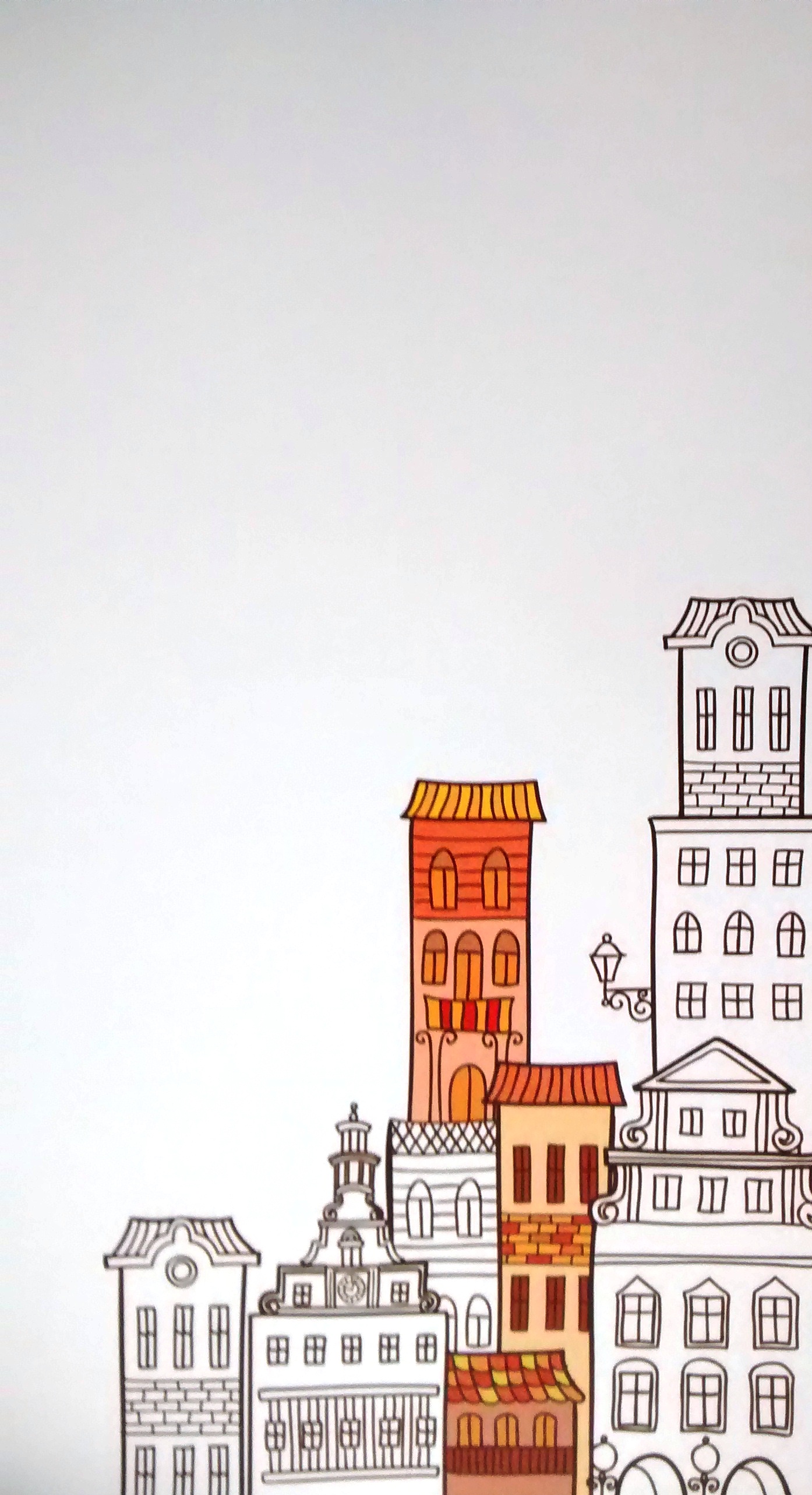
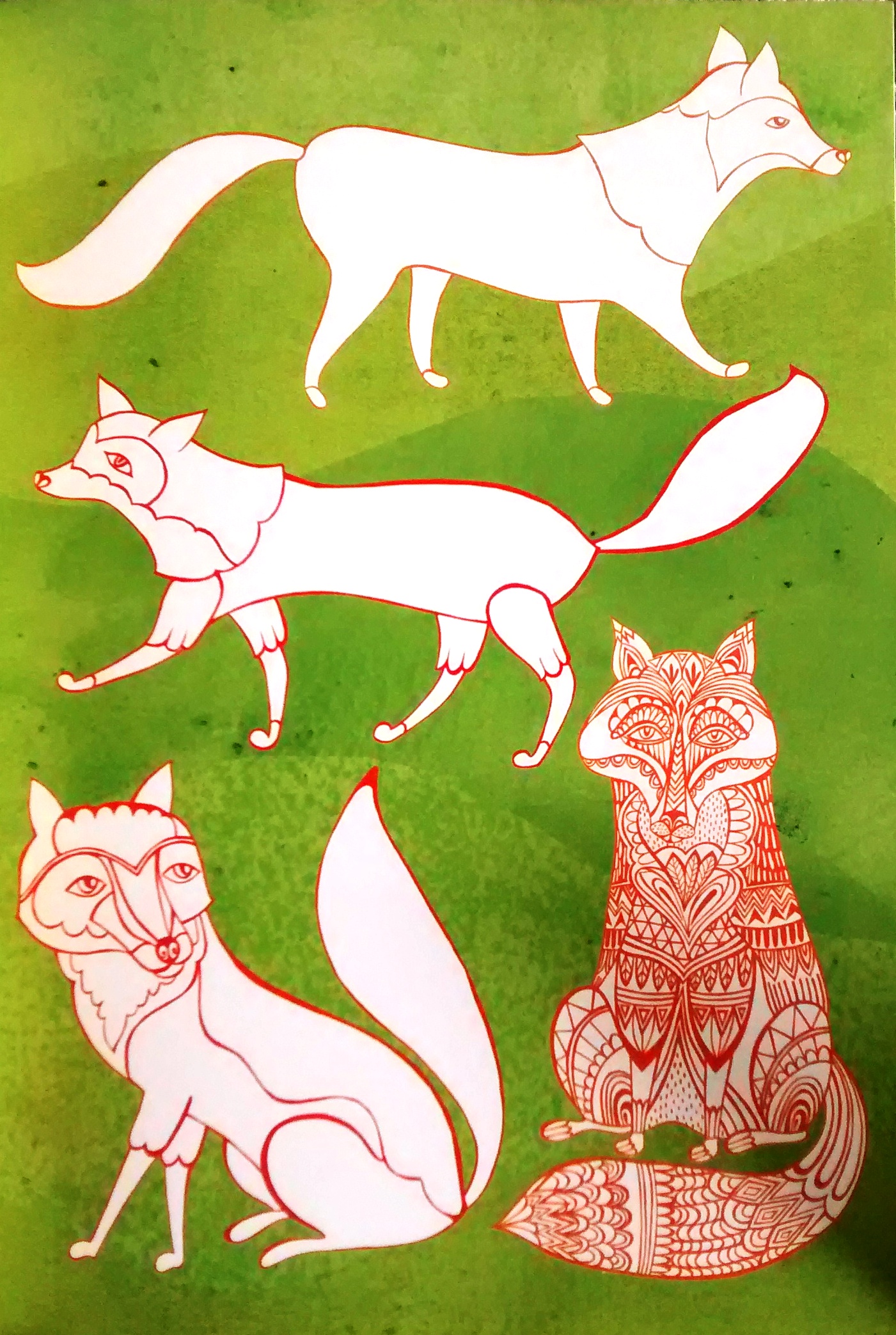
Here’s a little taster of some of the pages I am most looking forward to:

IMG_20150322_102224916 IMG_20150322_112625153

Even the layout of the book pretty sophisticated – despite the introduction stating that there are no rules ‘pick up a pen or pencil and get creating…’ – it is split into seven sections, each of which focus on a different palette, fiery reds, happy yellows, majestic greens and icy blues.

IMG_20150322_101539172I’ve spent the last few weeks taking half an hour or at the end of the day to use Color Therapy, and I have to say I have really enjoyed it. Although I should confess that so far I have only focused on the first section, Red, as it seems the perfectionist in me is unwilling to complete the book in anything other than chronological order.

Colouring in is incredibly soothing, I suppose it is a bit like curling up into the foetal position, there is something comforting about retreating back to more innocent times. I’ve been suffering from headaches a lot recently, and I’ve noticed that using Color Therapy in the evenings has helped to ease the pressure a bit, and as a result I have been sleeping better.

I’ve also found that while colouring in my mind begins to wander, it gives me time to think, but not about the stresses of everyday life. Rather, I find myself thinking about my writing. Since I’ve started using this book I have found it easier to sit down and start on the writing projects I have planned.

The following are a few of my creations – I particularly enjoyed colouring the flamenco dancer!

IMG_20150322_101618155 IMG_20150322_101639533 IMG_20150322_101655684

Adult colouring books will not be for everyone. I’ve read somewhere that the trend is, somewhat unsurprisingly, far more popular among women. That said, I would definitely recommend Color Therapy. I have thoroughly enjoyed my adult colouring book so far, and I am planning to continue using it. If colouring appeals to your arty, creative side, or if you just want an easy going hobby to unwind with, I think you could benefit having a book like this in your desk drawer.

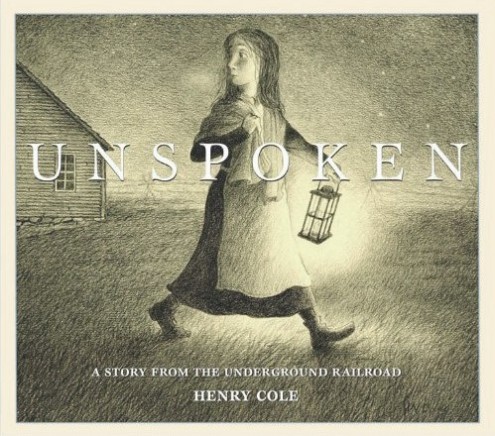
Children’s book review tour! Unspoken: A Story from the Underground Railroad – Henry Cole

“Those who deny freedom to others, deserve it not for themselves” ― Abraham Lincoln

Unspoken: A Story from the Underground Railroad – Henry Cole

unspoken_111-495x436

Another children’s classic, the picture book. It is unusual for me to try and review a book with no words at all, but a challenge I accepted and enjoyed to the last.

What would you do
if you had the chance
to help a person
find freedom.

This is the question presented to a young girl, in Henry Cole’s haunting tale of a young slave’s journey to freedom.

Unspoken is a beautiful example of a children’s picture book with illustrations that are filled with emotion and can, on their own, tell a strong and provocative tale. Cole has taken something which is often associated with children’s literature, a picture book, a wordless story, and created something beautiful. That is not to say that picture books can’t appeal to adults. Children’s classic such as The Snowman, and Father Christmas are stunning and offer equal entertainment for adults as they do for children.  Indeed, the tale told in Unspoken can speak more toward an adult audience as the innocent child is unlikely to grasp the full extent of sadness that underlies the beautiful artwork. To the child the book may appear as nothing more than a story of young girl with a secret friend.

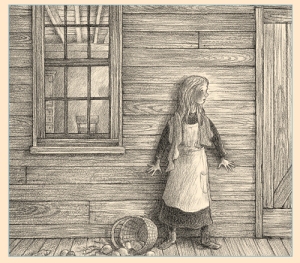
unspoken-9780545399975-pages-16-17-1-final-rightWithout words, the young girl who lives within the illustrations of Cole’s work is almost a stranger to us; we do not know her name, or very much about her life. However, from her actions it seems as though she is from a less than well off family. Cole draws her working on a farm in tattered clothes, leading cattle and feeding chickens. It is while carrying out chores that the child sees men on horseback riding through her family’s farm, they are searching for something, and she is soon to discover the whereabouts of their quarry. Sent to the barn to gather supplies she is startle by a sound coming from a pile of corn – there is someone there.

If we knew little about the young girl, even more mysterious is the identity of the runaway. We see only their eye peeking through the ears of corn, and later, their thankful hands, reaching out to receive food encased within the young girl’s handkerchief. In my mind I have given the runaway a female identity, although each reader will have their own feelings on this matter.

9780545399975

The worry etched on the young girls face as she hides this secret says far more than any words could express. Her concern seeps from the pages, a combined anxiety for the creature in the corn, and that she will be discovered harbouring a fugitive.  She watches with clear disdain as men on horseback visit her father once again, offering a reward for the return of an escaped slave. You can see that the family live a simple life, likely a reward would be very gratefully received, and yet the young girl looks on, in silence.

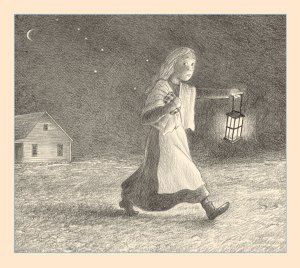
Our heroine, beautiful in her innocence, seems only to think of the safety of the figure in the corn. She follows her heart, as the runaway follows the North Star, away from the South, to freedom. When she returns to the barn and finds the runaway gone, leaving behind a small token of thanks, she knows she has made the right choice.

Page 2 Unspoken

Without a single word Cole’s book speaks mountains. There is no colour, no creed, no judgement, just a person, helping another person.

In his author’s note Cole writes that he hopes that those who read the book will use his pictures as a starting point to create their own story – filling in all that has been left unspoken.

“And when at last you find someone to whom you feel you can pour out your soul, you stop in shock at the words you utter— they are so rusty, so ugly, so meaningless and feeble from being kept in the small cramped dark inside you so long.” ― Sylvia Plath

There are two sides to every story

The Confidant – Hélène Grémillon
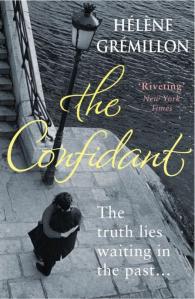
Confidant final cover.448x688

Another truly beautiful piece of literature to add to my read list. ‘The Confidant’ was given to me by my partners godparents as a Christmas present last year, and sadly ended up hidden in the bottom of a box until a few weeks ago, one of the downsides of having moved house and never fully unpacked. Having just read and thoroughly enjoyed ‘The Elegance of the Hedgehog’ I was excited at the prospect of getting started on another piece of French literature, and potentially giving myself a nice topic of conversation for our next family dinner.

‘The truth lies hidden in the past’ is such a fitting tagline for this novel. Grémillon draws the reader into the depths of a long hidden secret, of longing, forbidden love, betrayal, and revenge. The novel achieves an almost perfect blend of historical narration, thrilling suspense and harsh reality, the result of which is truly stunning.

It is 1975, and in her apartment in Paris, Camille receives an anonymous letter, a letter narrating the lives individuals seemingly unrelated to Camille, surely the letter has been sent to her by mistake? The anonymous letters continue to fill the post box of Camille’s Paris flat, and a long hidden secret begins to unravel before her very eyes. As the story unfolds Camille becomes desperate to discover the source of the letters, before finally succumbing to the realisation that it is her own story which is being told. The story of pre war France, a young boy in love, a young girl eager to please, and a rich and lonely madame is inextricably linked to Camille’s unlikely friendship with the concierge of her apartment building, the recent death of her mother, and the future of her unborn child.

What struck me about this book was the profound effect it has on my emotions. As the secret unraveled I found myself taken on an emotional journey of empathy and hatred of Annie, and simultaneous hatred, and empathy for Madame M. There are two sides to every story, and Grémillon highlights this so perfectly, by the end of the novel I felt as though neither character did anything wrong. Their actions were inevitable, driven by emotion and instinct.

The story presents a fierce, raw examination of women, coupling motherhood and feminism with love, passion, and desire. In this respect there was one theme in particular that struck a chord with me, and that is Grémillon’s unrestrained examination of infertility.

Madame M’s yearning to have a baby is spoken of at length throughout the novel, and I find the way in which her desires are portrayed incredibly moving. The world around M seems almost super fertile, numerous women in Paris are falling pregnant, and the newspapers are awash with stories crying for the need for more babies:

‘Have more Children! Have more children, France must make up for her losses in 1914’.

M is described as going to all lengths to sure her infertility, even physically injuring herself in a desperate hope that someday she will discover a solution. She describes her constant consumption of an aphrodisiac made from wine and spices,  resorting even to bathing in the concoction to the point where:

‘Over time my skin acquired a spicy scent that disgusted me’

Gremillon delves further into the realms of M’s depression, describing at length her dismay at her sudden transformation into ‘the infertile woman’. What I think is the most striking description of this comes during a dinner with her Husbands family, his grandmother makes an announcement that someone at the table is with child, and the guests begin to guess who it could be:

‘Every name except Granny’s and my own. Because it was no longer possible for her, and for me, it never had been.’

This seems to be time when M finally succumbs to the fact that she will forever be the elephant in the room, the person whom everyone must be careful around, who is looked upon with pity. I found reading the following passage quite emotional, my heart goes out to anyone, who is ever made to feel this way:

‘Suddenly her eyes met mine and she looked away at once, her broad radiant smile frozen on her face, and a moment of awkwardness spread round the table. Silence. The game had yielded to the weight of reality, my reality. At that moment I realised I had become ‘the infertile woman’ in the family, the one whose presence absolutely precluded any displays of joy , the one who was so unfortunate that the happiness of others could prove fatal. My shame was confirmed

M’s story touched on something I feel is shied away from far too often: the unspoken ‘shame’ that is placed upon infertile woman. I found myself asking why? Why is being infertile considered something to be embarrassed about? The following quote was taken from a comment on a feministphilosophers blog post ‘On Becoming Infertile – Part 1’:

‘I feel like I’ve often been treated like a faulty baby machine rather than a person. The guilt, the shame, the sense of failure, the indignation and the grief have all been a lot to deal with’ (Commenter: L Stokes).

The idea that anyone should be made to feel this way is incredibly sad. M’s story took place in the early 20th century, and this is an issue that is still felt today. I very much admire Grémillon for approaching the subject.

There is so much more I could say about this book, so many themes which could be explored, but I feel I have written enough for now. For anyone reading this who has not, I would urge you to read the book, it is a beautifully written, thought provoking read. You will not be disappointed as you read the final page, and see the secret of fully unraveled and laying before you in its entirety. The novel is captivating to read and satisfying to have read.

When I finished ‘The Confidant’ I felt the indescribable mix of sadness and fulfillment which accompanies the completion of a really fantastic novel.

“It is quite possible–overwhelmingly probable, one might guess–that we will always learn more about human life and personality from novels than from scientific psychology” – Noam Chomsky

The making of a very thoughtful evening

The Little Prince ― Antoine De Saint-Exupéry

Image

First published in 1943 this sweet little novella is the most famous work of Antoine De Saint-Exupéry, and has been translated more time than any other book in the French language.

This is another book I found nestled cosily amongst our bookcases one evening. It’s a tiny little thing so I decided to spend the evening getting to know the Little Prince hidden within it’s pages a bit better.

The Little Prince seems at first to be written for children, but there is a very obvious philosophical message behind the story. I feel that on this level the story has appeal to both children and adults, anyone sat reading this book with a child on their knee is sure to enjoy it just as much as the little one.

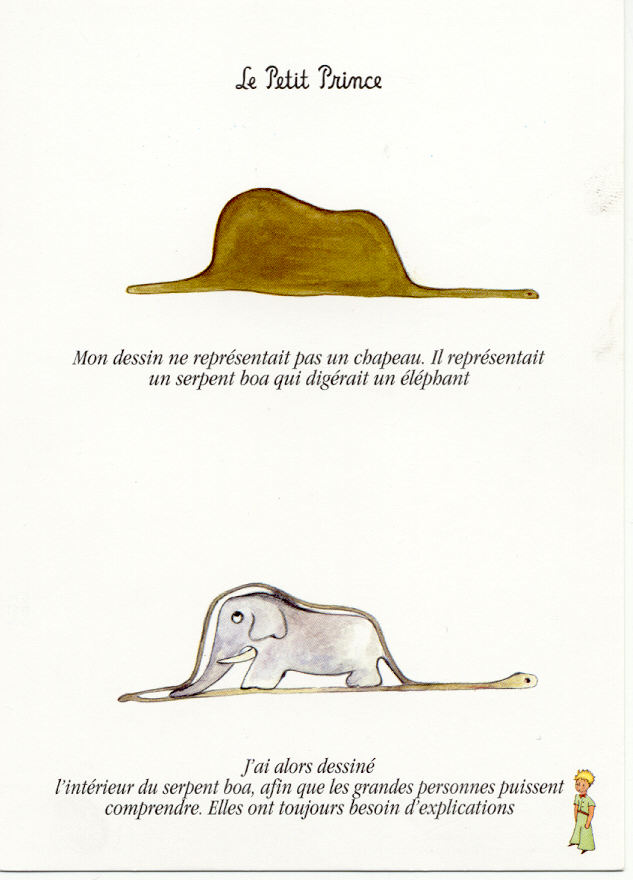
Saint-Exupéry tells the story of a very thoughtful chap, who as a child learned only to draw boa constrictors from the inside and outside, and was terribly upset to find no one else fully appreciates his artwork.

Image

As an adult the voice of the story becomes stranded in the desert, and makes an unlikely friend. Someone who finally understands his drawings of so long ago – ‘the Little Prince’.

This charming little story traces the tale the Little Prince has to tell, of his travels across the universe, before finding his way to earth, and to our humble narrator.

The Little Prince visits many planets on his travels, mainly inhabited by a single person. Each character is more ‘odd’ than the last in the eyes of the Little Prince. A king – Obsessed with giving orders, A businessman – obsessed with money, A drunk – obsessed with drink and his own misery. The Little Prince continues on his travels, never fully understanding the people he has met along the way.

Behind Saint-Exupéry’s dear little story, there is an allegory of the human condition. The inhabitants of these planets are so preoccupied with the things that seem so strange to this innocent little mind. Not one of the people the Little Prince encounters is able to make a valid argument for the importance of his work. While the Little Prince cares only for doing what makes him happy, about asking questions, and caring for his possessions back on his own planet, including the love of his life -a beautiful rose.

Overall I found The Little Prince to be quite a satisfying read. It’s a short book, and can easily be enjoyed all in one go; in fact I found that once I started to read it I didn’t want to stop until it was finished. The book appeals to me on a many levels, I think it is a lovely little story for children ― I also think a fair few adults will enjoy the story for what it is ― but I also really enjoyed the allegorical side of the tale.