I’m having another … Wordless Wednesday
“We don’t see people as they are. We see people as we are.” ― Anaïs Nin

I’ve never read any Anne Tyler before, but I was lured into buying this book by a dramatisation I heard on Radio 4. Over the period of a week or two I’d often catch few minutes of the show and find myself wondering what had happened in the episodes I’d missed. The curiosity got the better of me and I treated myself to a second hand copy from Amazon.
In Ladder of Years Anne Tyler tells the tale of Cordelia ‘Delia’ Grinstead – a forty-year-old housewife and medical secretary, who, while on a seaside holiday with her family, walks off down the beach and doesn’t look back.
This all started on a Saturday morning in May, one of those warm spring days that smell like clean linen. Delia had gone to the supermarket to shop for the week’s meals. She was standing in the produce section, languidly choosing a bunch of celery. Grocery stores always made her reflective. Why was it, she was wondering, that celery was not called ‘corduroy plants’? That would be much more colourful. And garlic bulbs should be ‘money bags,’ because their shape reminded her of the sacks of gold coins.
Ladder of Years is a thoughtful book, one of those stories that will make you wonder at the significance in every small thing. If Delia had not been shopping in that particular store on that morning, or if she had spent a little less time musing over the celery, her life might have taken a very different route.
It is in the produce section that Delia meets Adrian Bly-Brice, the man, the catalyst, who would set her on the first un-Cordelia Grinstead journey of her life.
The question of why Delia decided to leave her family is a difficult one to answer. Mainly because she didn’t, decide to leave I mean. She never intended to leave her family, it just sort of happened. It is as though she was overwhelmed for a moment, fed up with being so predictable, and once she had started walking it was difficult for her to find her way back home.
Who is it that Tyler hopes the reader will feel compassion for? Is it Delia? Or with the family that she has left behind? I felt a strange mix of feelings for both parties; coming from a broken family myself I empathised with the family left behind in Baltimore, who had lost their mother completely without warning. She upped and left without the slightest hint, leaving all her belongings behind, these things are never painless or easy. It must have been horrendous for her children, no matter what their age. I also felt sad for Delia, who seemed so lost and confused, spending the first days of her absence crying herself to sleep. She didn’t even fully understand why she had left.
I feel as though Delia was going through some sort of midlife crisis. She is portrayed as silently struggling to deal with the recent death of her father, who had been the one constant figure in her life. When her children began to grow up, she had reverted to caring for him, and months on from his death she could not bear to clear out his bedroom. It remained stuck, in a sort of time trap. Then she began to doubt her reasons for getting married and second guess her husband’s feelings towards her. Feeling as though she had never been swept off of her feet, by a man like Adrian Bly-Brice, but then, as her twin nieces would say ‘well that’s life’. For this reason, I felt hopeful that Delia would find her way home.
While few physical events actually happen in the book, it is in the least bit boring, and the chapters do not drag. The journey is predominantly an emotional one, and as such no single event seems to stand out as that important. That said, the Delia Grinstead who emerges throughout the book is a very different woman to the one who puzzled over celery on the very first page.
Tyler’s impeccable writing style allows for this emotional journey to take shape. The whole world in which Delia inhabits is so clearly defined that it might be about to leap off the page. All thoughts are portrayed seamlessly, and with almost perfect attention to detail, through Delia’s eyes. Each time she meets a new person, is faced with a new situation, or does anything at all, it is as though you can see the cogs of her mind working. The faces of the people she meets unfolding before her, in such a way that everyone becomes incredibly rounded and 3-dimensional. I feel as though I could sit and sketch an image of every person in the book, from Delia herself, to the fleeting image of Rosemary Bly-Brice.
I feel as though I have spent a couple of days reading an incredibly articulate diary. Not too much happens in the grand scheme of things, but I was definitely drawn into Delia Grinstead’s world. This one was an easy book to get into, and an even easier book to finish. Eloquently written, but without a hint of snobbishness.
“The world is full of magic things, patiently waiting for our senses to grow sharper.” ― W. B. Yeats

‘The house has stood at the end of Hope Street for nearly two hundred years. It’s larger than all the others, with turrets and chimneys rising into the sky. The front garden grows wild, the long grasses scattered with cowslips, reaching toward the low-hanging leaves of the willow trees. At night the house looks like a Victorian orphanage housing a hundred despairing souls, but when the clouds part and it is lit by moonlight, the house appears to be enchanted. As if Rapunzel lives in the lower tower and a hundred Sleeping Beauties lie in the beds.’
This book is so incredibly sweet and gentle, definitely one for a lazy afternoon where you just want to curl up with a book and wile away the hours.
In The House at the End of Hope Street Van Praag vicariously lives out her dream of providing a safe refuge for women who have lost hope and need a place to recover and find their direction in life.
Alba Ashby, the youngest PhD student at Cambridge University has hit an enormous bump in her journey towards academic success. Alone and beside herself she begins to wander the streets of Cambridge, her mind constantly wandering back to ‘the worst event’ of her life. As she walks she attempts to shake away her memories and search for solace in the dark streets of the university city. One night something calls to her on the wind and she finds herself stood before a mysterious house on Hope Street, unconsciously ringing the doorbell. There the beautiful Peggy Abbot welcomes her with open arms and a steaming cup of hot chocolate. Alba is invited to remain at Hope Street for no more than 99 days: ‘long enough to help you turn your life around and short enough that you can’t put it off forever’. As well as having the luxury of no rent or bills, and a room of her own, Alba is promised that she will not have to work through her problems alone.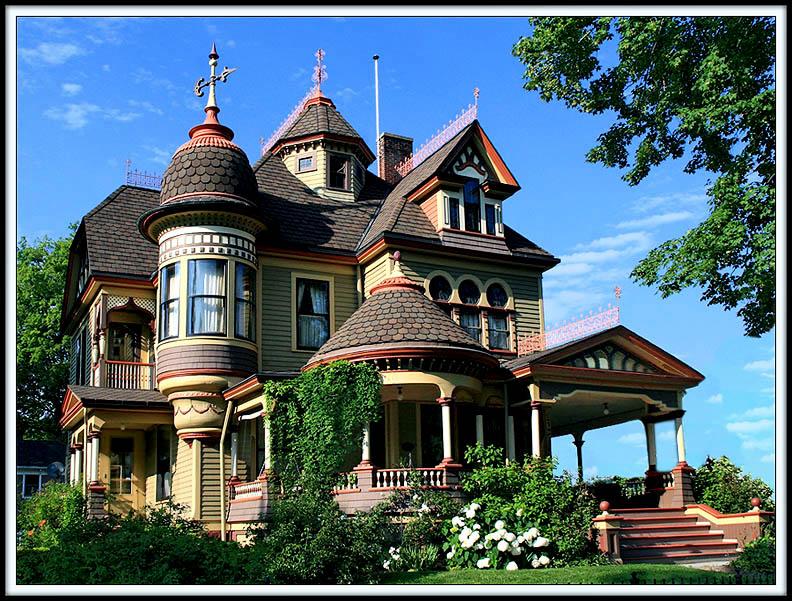
‘If you stay I can promise you this,’ Peggy says. ‘This house may not give you what you want, but it will give you what you need. And the event that brought you here, the thing that you think is the worst thing that’s ever happened? When you leave, you’ll realize it was the very best thing of all.’
Alba is an unusual girl, gifted with a second sight. She has the ability to see those who are no longer living as well as things that others cannot see – sounds, emotions, feelings and scents trail through the air before her very eyes. Birds sing in blue and weave ribbons through the sky, and the words of those she speaks with emerge before her eyes, written as if by an imaginary typewriter, revealing the speakers true colours. When she steps through the door of 11 Hope Street she is perhaps not as surprised as the reader by the magical world enclosed within, and not in the least bit startled by the ghost of girl sat smiling in the kitchen sink.
In The House at the End of Hope Street Van Praag introduces us to an enchanting, magical world. Over the years the house has been home to great women throughout history, black and white images of Sylvia Plath and Dorothy Parker come to life to offer words of wisdom and advice to Alba, the walls rattle and breathe and Alba’s room transforms, filling with book cases, and fluttering copies of hundred of novels. The house is alive, and drops hints and ideas into the minds of the residents, placing notes on their dressers, providing them with gifts to nurture their talents, and denying them those which they must seek elsewhere. Bookish Alba spends her first days curled up in the cocoon of her bedroom, losing herself in the books provided for her by the house, before slowly embarking on her own journey.
In her time at Hope Street Alba goes through even more heartbreak and devastation, as she loses the person closest to her and discovers the truth behind a long kept family secret. These events help guide her on the road towards self-fulfilment, as though every cloud really does have a silver lining. For the first time in her life she is able to make friends, rather than just acquaintances, and she discovers that people living right beneath her nose will soon come to mean the world to her.
 There are twists in the story, some that I saw coming, and some that I didn’t, but all of which are delightful and sure go bring a smile to your face. Do not expect to find out exactly what Alba is running from right away, it takes some time, Van Praag teases the secret out deliciously, keeping you reading on long after you should have put the book down and started on supper.
As a Cambridge girl myself, I really enjoyed reading about the Cambridge Alba inhabits. I loved to imagine her slipping on the cobbles outside Trinity College, and running through the lanes, darting into a little bookshop to shelter from the rain, and delighted at her description of the Cambridge University Library as ‘her cathedral’.
Bookish types are sure to enjoy this book, and I would recommend it to anyone who enjoys gentle fantasy and magical realism. I would not say the book has changed my life and made it onto my favourites list, but I definitely enjoyed it, and was awarded with that warm feeling of satisfaction that comes from finishing a truly pleasant book.
A long weekend is the perfect excuse for a leisurely Saturday. Today we headed into town for a spot of lunch and a wander around market, and I just couldn’t resist slipping into the Oxfam bookshop on Sidney Street.
After treating myself to a few new books last week, I promised myself I wouldn’t buy anything. I reasoned that I would only go in for a look, just to be around the books for a bit and soak up that great used-book smell. After spending a few idle moments perusing the classic texts I stumbled upon the collectables – truth be told, I was looking for the children’s section, but it seems they’ve rearranged the place since my last visit.
Nestled in amongst some dusty hardbacks by authors whose names I’d never heard, and ancient cook books the likes of which might have graced my Grandfather’s kitchen shelves, I found a well-loved volume of children’s stories.
Children’s Stories From Japanese Fairy Tales and Legends
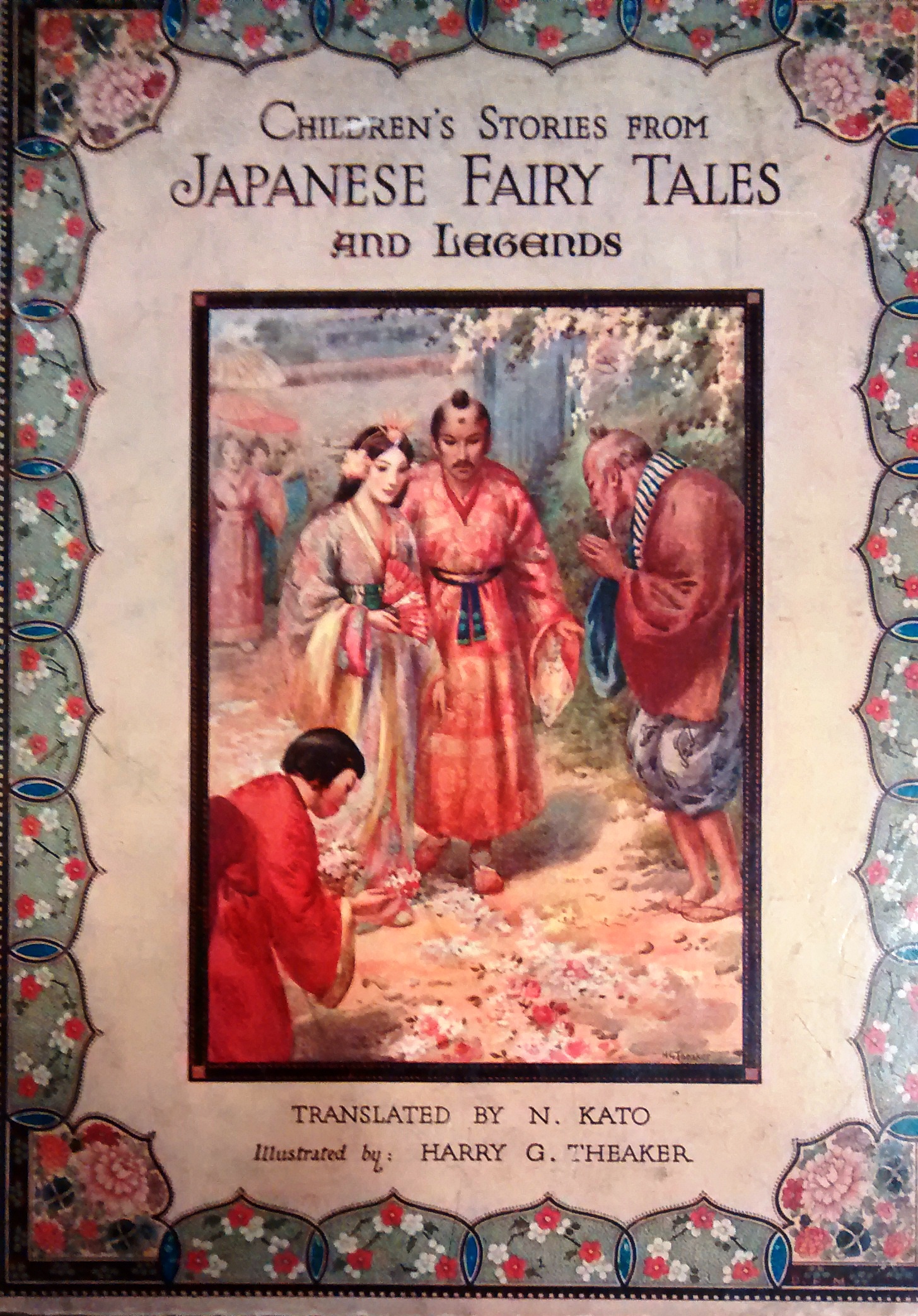
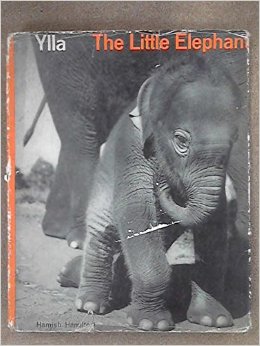
I love old children’s books. Our sitting room contains a bookshelf dedicated to children’s literature, where all the old fables and fairytales I was given as a child sit amongst Sebastian’s French Tin Tin comics and several tatty picture books by Hungarian photographer Ylla.


I knew I wanted to add this one to my collection before I had even taken it off the shelf. I’ve never read a Japanese fairy tale, and was interested to see how they would compare to my childhood favourites by Hans Christian Andersen. A quick glimpse inside the book let me know I was making the right choice.

I’ve never managed to pick up an old book with an inscription without buying it. There is something so beautiful about an inscription, as though it gives the book a story of its very own. Questions about the previous owner immediately started entering my mind. Were they a little boy, or a little girl? Why was Daddy gifting the book alone? Are they the only previous owner?
After trying, and failing, to strike up a conversation with the gentleman behind the till by informing him, somewhat excitedly, that there was an inscription in the book, I wandered home with my loot.
I spent the afternoon sat out sunshine getting to know my new friend, running my fingers lovingly over the pages to feel the indentations left by the old printing presses, and reading the first tale ‘The Daughter of the Moon’ – a charming story about a bamboo cutter who adopts a beautiful fairy.
As much as I liked the first tale, the thing that got me really excited about this book was the illustrations. There is the occasional printed colour plate often found in children’s books from the early 20th century, but there are also images included in the text that have been coloured in by hand.
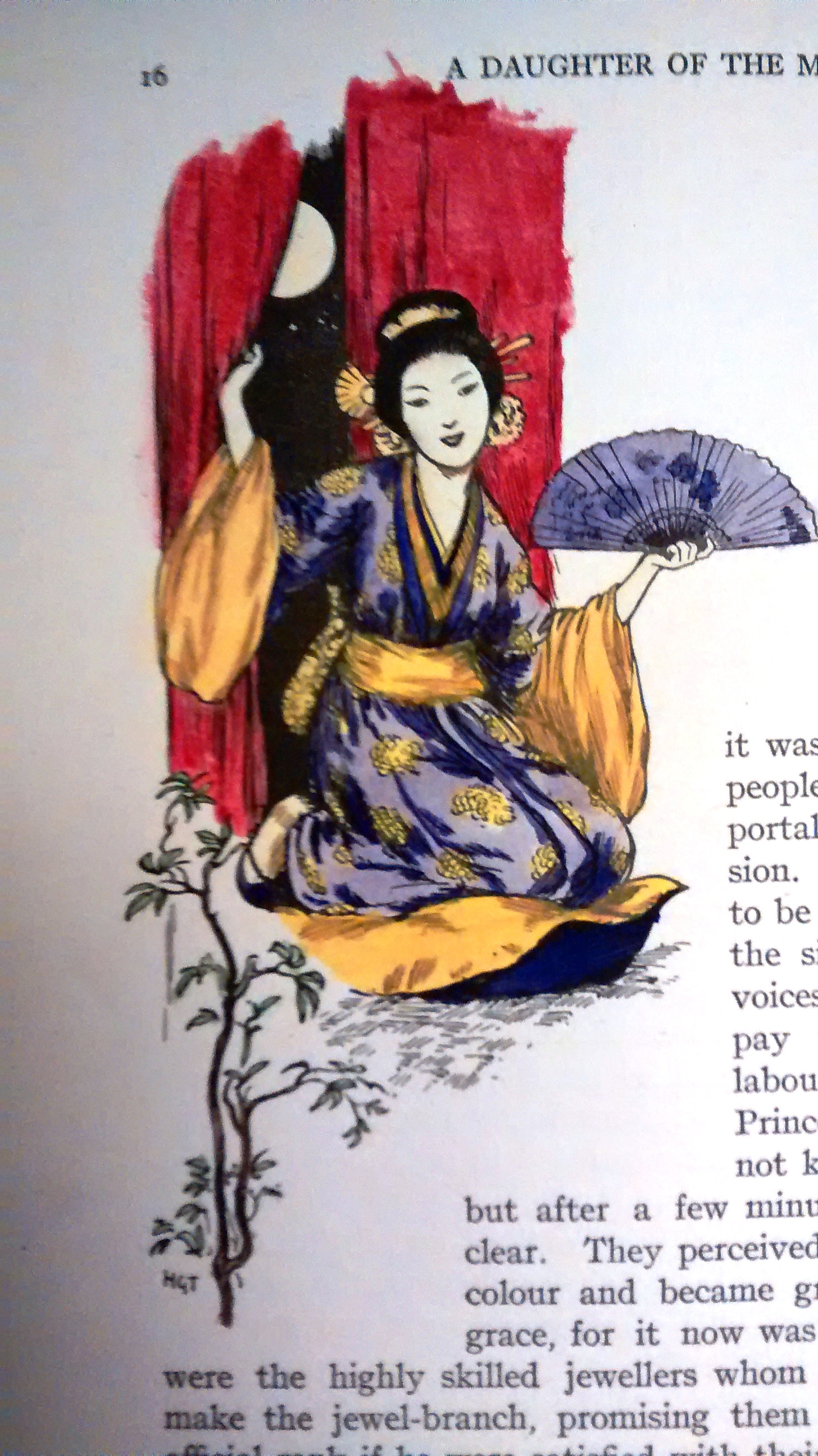

Towards the front of the book the pictures have been filled in delicately, with something resembling watercolour paints (above left). I had a look at other editions of the books online, and the images were definitely in no more than black ink when the book was first published. They must have been coloured in by one of the previous owners – was it the child who first received the book from ‘Daddy’ in 1930?
As I got further into the book I noticed that the images were no longer coloured with paint, but instead with coloured pencils, and the signature scratch of a much younger child (above right).
Without knowing anything about the previous owners, I can’t know for sure who coloured the pictures in, but this makes it all the more exciting. This book has its own mystery; a secret story told only in marks left behind by the ghosts of the past. If the first owner of the book did contribute to the coloured in images, and I like to think that they did, I do hope ‘Daddy’ wasn’t too cross.
Today calls for prosecco and a picnic!

 Last week I met up with the Cambridge Book Club for the first time. The book up for discussion this month was Jessie Burton’s The Miniaturist, which, if you live anywhere other than under a stone, you will no doubt be familiar with. But for those of you who have avoided looking at the best-seller lists for the past few months, here’s a quick summary:
The Miniaturist tells the story of 18-year-old Petronella “Nella” Ooortman, who travels from her humble family home, to a house in the wealthiest quarter of Amsterdam, owned by wealthy Dutch merchant, and Nella’s new husband, Johannes Brandt.
As she steps beyond the threshold of the Brandt household, Nella is welcomed not by the warm embrace of her new love, but the cold words of Johannes’ sister, Marin, and the immature giggles of the household staff. She finds herself, not the mistress of a grand abode, but a stranger in a foreign land. Her feelings of isolation are further compounded, by her illusive husbands wedding gift to her, a cabinet-sized replica of her new home.
The Brandt household is not all it seems, however, and Nella soon find her new home life begins unravelling around her. She soon realises the steps she must take to save the family from ruin. Expect to uncover hidden loves, seething scandals, and a mysterious miniaturist who predicts her customers’ future. Travel back to Amsterdam in this unflinching tale of a family’s journey towards freedom in a repressive and judgemental society.
On the whole I really enjoyed the book, I found the storyline intriguing, and once I had started I struggled to put the book down. I don’t think it’s a life changing piece of literature, it’s a best-seller, and as such is quite widely appealing and very readable.
Here are some of the main themes and questions that emerged in our discussion:
– The miniaturist’s identity: Could more have been done with this character? Did Burton give enough of an explanation?
– The fate of the characters: How would the household have survived after the novel had ended?
– The ‘twist’: Was it good enough? Did Burton take a too obvious route?
– Burton’s treatment of Marin, Johannes’ stern, feminist sister: Why did Burton choose to take this route with Marin? Did she remain true to her identity?
– The relationship between Cornelia and Otto: Was there more to this than first met the eye?
– Corruption, and the criminal underworld of Amsterdam: Do you think Burton delved far enough into this area? Was just peeking beneath the surface sufficient?
The last week or so has felt like a new beginning after a very long and dreary winter. The other morning I was overjoyed to wake up with the sun on my face and more or less leapt out of bed. A sunny day off is not to be wasted. So my beloved and I headed down to one of my favourite local walking spots – Byron’s pool.
Byron’s Pool is a small nature reserve on the outskirts of Cambridge in the village of Grantchester, named after the poet Lord Byron, who it is said, would swim at the weir pool on warm summer’s days. It’s a picturesque location, and perfect for a leisurely walk along the River Cam.
If you have never been to Grantchester you could do worse than to plan a day trip, the village is a truly beautiful location.
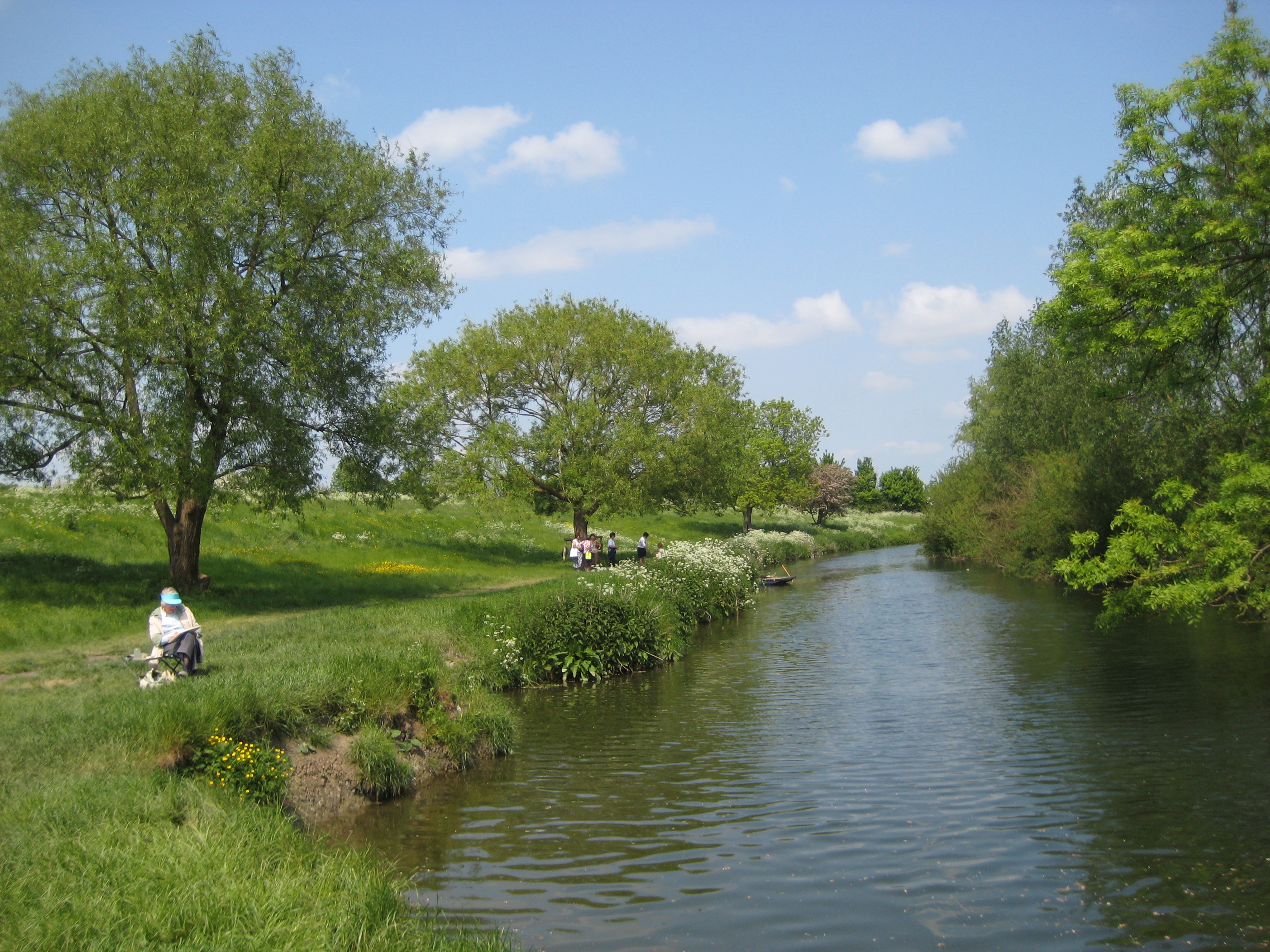 If you need more convincing, this should do the trick:
…………………. would I were
In Grantchester, in Grantchester! –
Some, it may be, can get in touch
With Nature there, Or Earth, or such.
And clever modern men have seen
A Faun a-peeping through the green,
And felt the Classics were not dead,
To glimpse a Naiad’s reedy head,
Or hear the Goat-foot piping low:…
But these are things I do not know.
I only know that you may lie
Day-long and watch the Cambridge sky,
And, flower-lulled in sleepy grass,
Hear the cool lapse of hours pass,
Until the centuries blend and blur
In Grantchester, in Grantchester ….
Rupert Brooke, The Old Vicarage, Grantchester, 1912
Byron’s pool itself is just outside of Grantchester. A public footpath through the reserve takes you in a loop alongside the River Cam, and around a small patch of quiet woodland. The river is calm and quiet, brimming with water lilies, with small shallow streams of crystal clear water and darting sticklebacks running through the woodland. The woods, though just beginning to bud in the early spring, comes to life in the summer with hundreds of sweet smelling wildflowers, daisies, willowherb, hogweed, ragwort, dovesfoot, meadowsweet, elder, ivy and cows parsley to name but a few.

I think the main thing which draws me towards Byron’s Pool is the knowledge that Byron spent time there, and, if you listen to Brookes, perhaps still does:
Still in the dawnlit waters cool
His ghostly Lordship swims his pool,
And tries the strokes, essays the tricks,
Long learnt on Hellespont, or Styx.
I like to think that the playful spirit of Byron still roams the area.
 Fun Byron fact – Lord Byron was a great lover of animals, and while he was a student at Trinity College installed a tame bear in his quarters. He was compelled to do so after becoming upset that the university forbade the keeping of dogs – they neglected to mention that bears were also forbidden. The college authorities had no had no legal basis to complain, although it is said that they tried to tell him that domesticated animals were not allowed, to which he replied: ‘I assure you that the bear is wild.’
I love the idea of wandering around with the spirits of poets past, and always feel compelled to slip beneath the water as to become even closer to the celestial body of Byron – Alas!
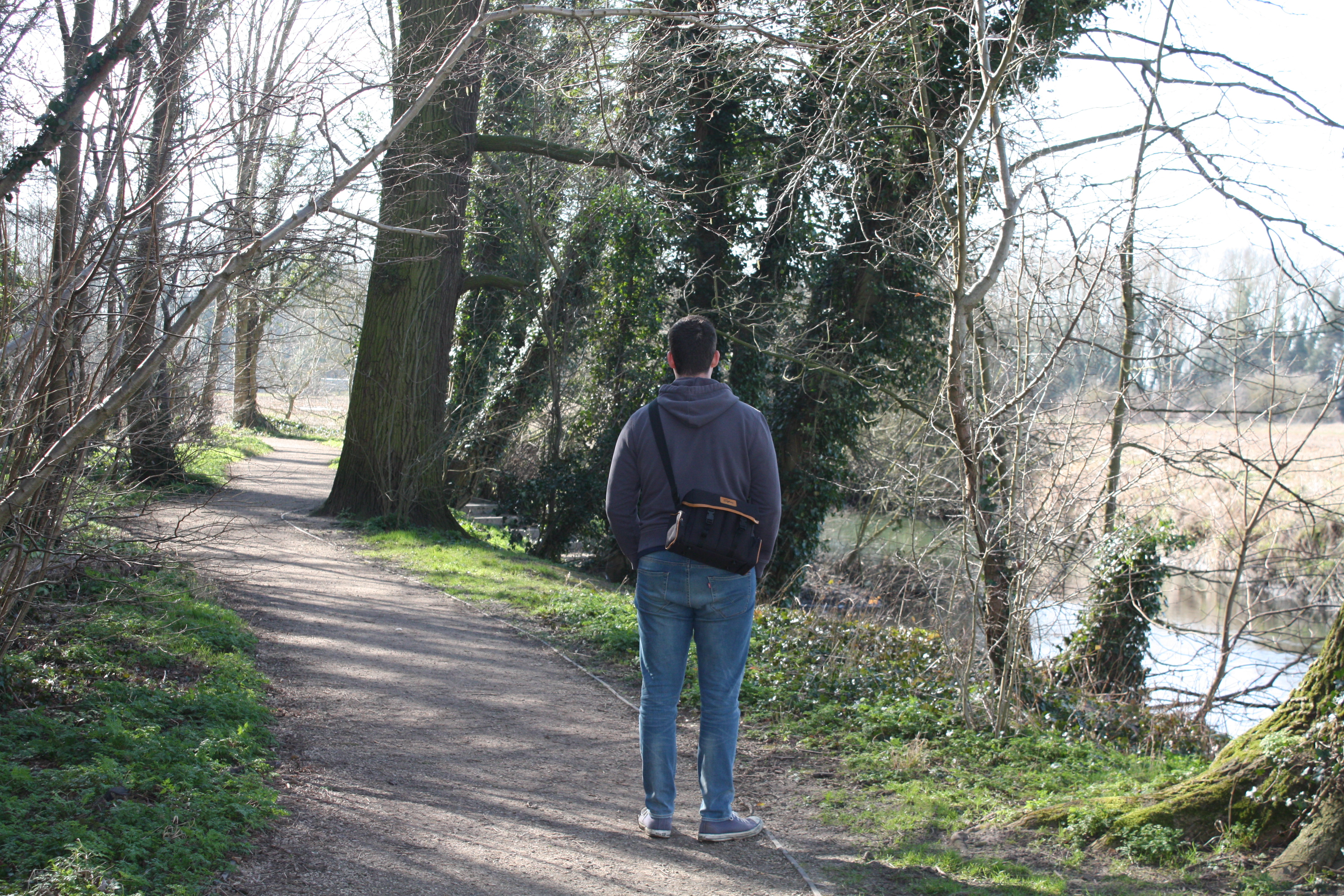
As always I had to settle for a quiet walk, pausing every now and then to try and capture the scene through the lens of my camera.
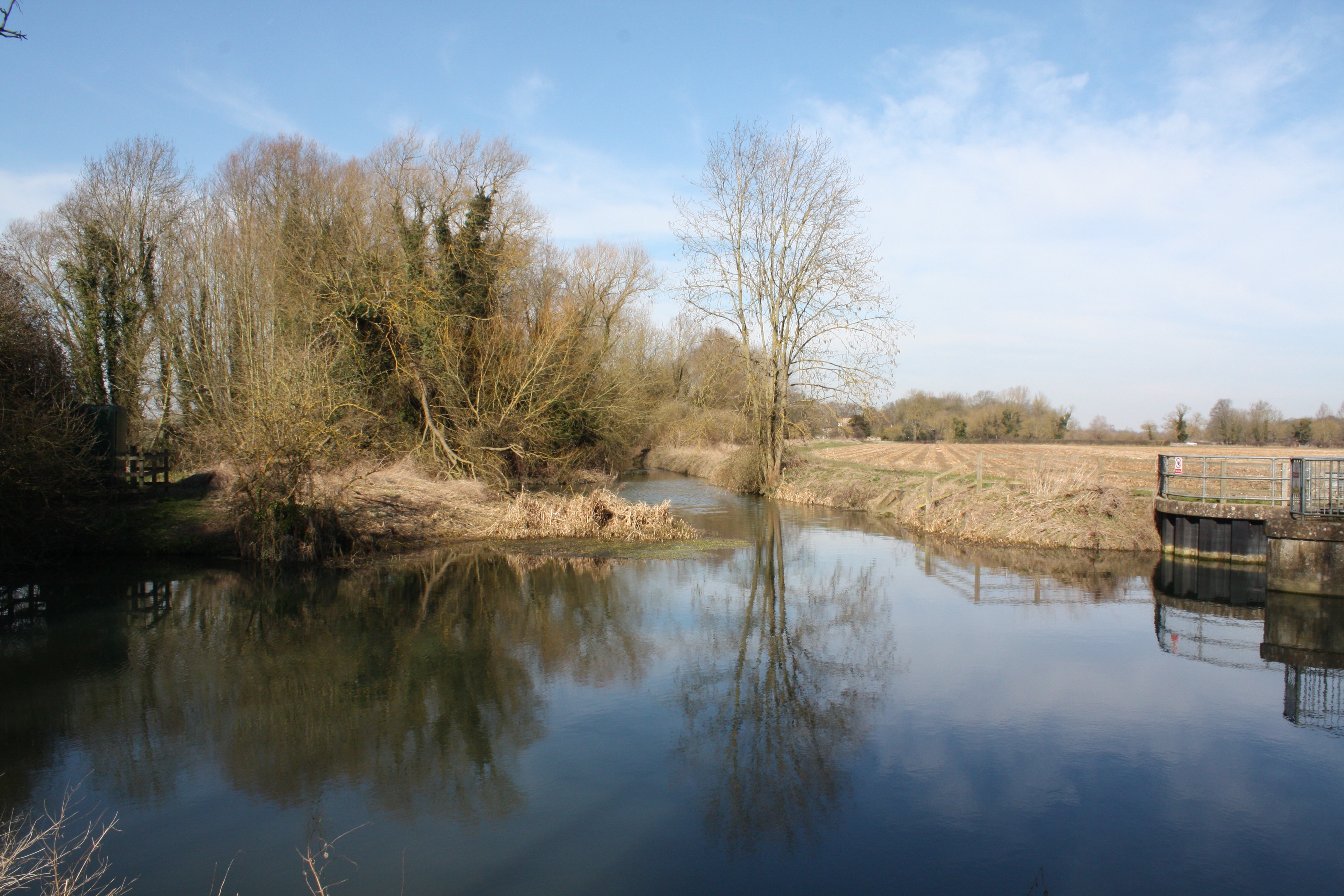

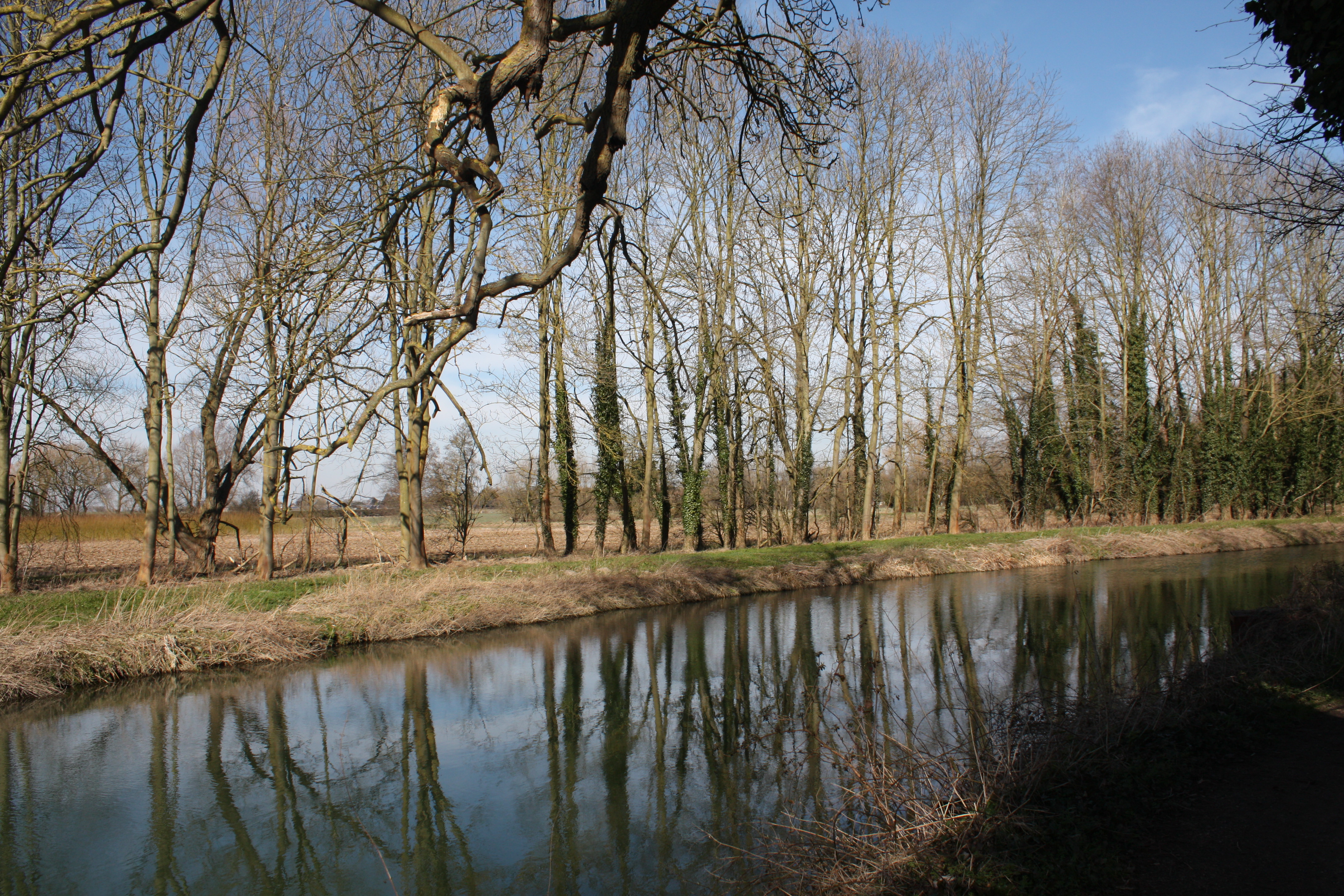
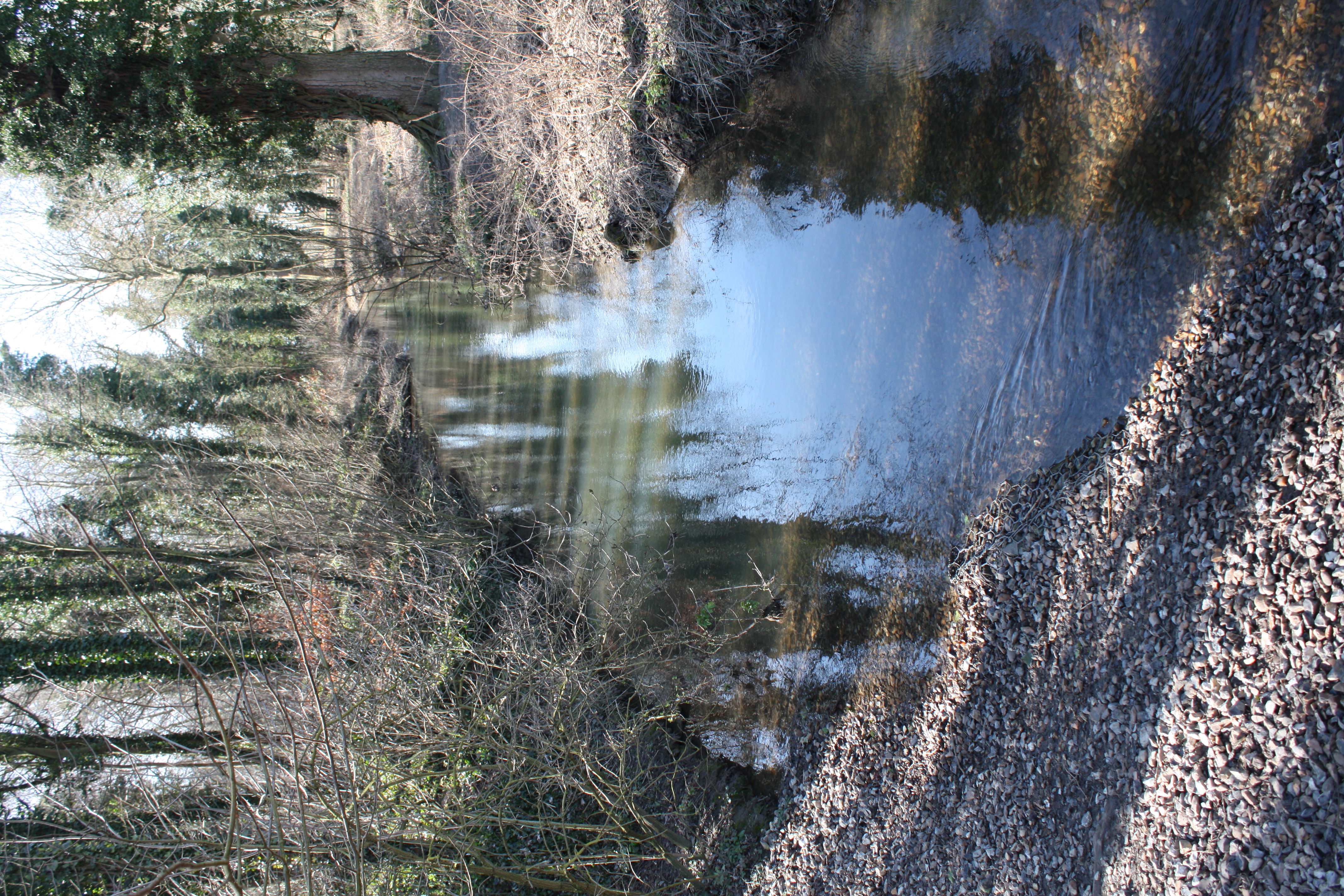
Walking with the boy on this warm spring day we spoke casually about the location and came upon a bit of difference of opinion. Sebastian thinks the location is ruined by its close proximity to the M11, and while I will concede that this doesn’t add to the experience it does not ruin it for me. I would be lying if I said I can’t hear the road, it is there, in the background, but the sounds of the river, the birds, and the breeze through the trees disguise this for me. Focus on the road and you will hear it, lose yourself in the location and it can pass you by.
“A children’s story that can only be enjoyed by children is not a good children’s story in the slightest.” ― C. S. Lewis
I was over the moon today to learn that Charlotte’s Web by E. B. White had been voted the best children’s book of all time.
The 1952 tale, about a lovable pig named Wilbur who is saved from the slaughter thanks to his unlikely friendship with a resourceful spider named Charlotte, was named number one in a list of 151 books chosen by critics in a poll by BBC Culture.

The initial selection was whittled down to a list of the 21 top books in children’s literature, a diverse selection of books which provides a charming glimpse into children’s literature of the past two centuries.
1. Charlotte’s Web – E. B. White
2. The Lion, the Witch and the Wardrobe – C. S. Lewis
3. Where the Wild Things Are – Maurice Sendak
4. Alice’s Adventures in Wonderland – Lewis Carroll
5. Little Women – Louisa May Alcott
6. The Little Prince – Antoine de Saint-Exupery
7. Winnie-the-Pooh – A. A. Milne
8. Charlie and the Chocolate Factory – Roald Dahl
9. A Wizard of Earthsea – Ursula Le Guin
10. A Wrinkle in Time – Madeline L’Engle
11. The Little House on the Prairie – Laura Ingalls Wilder
12. The Wind in the Willows – Kenneth Grahame
13. From The Mixed Up Files of Mrs Basil E Frankweiler – E. L. Koenigsburg
14. The Phantom Tollbooth – Norton Juster
15. His Dark Materials trilogy – Philip Pullman
16. Matilda – Roald Dahl
17. Harriet the Spy – Louise Fitzhugh
18. Pippi Longstocking – Astrid Lindgren
19. The Secret Garden – Frances Hodgson Burnett
20. Goodnight Moon – Margaret Wise Brown and Pat Hancock
21. The Hobbit – J. R. R. Tolkien
There are many books on the list I would have happily seen voted number one, but I think the most deserving book won. The Lion the Witch and the Wardrobe, and Alice’s Adventures in Wonderland, and Little Women are all firm favourites of mine, but they are books I came to love later on in life, whereas Charlotte’s Web was one of the first books I read on my own.

I loved Charlotte’s Web as a child, and I find it just as enjoyable now as I did twenty years ago. So I am over the moon at it’s number one spot. Books which tell a story from the point of view of animals have always been popular among children, and E. B. White took this classic theme and created something truly wonderful.
I’d love to know what your thoughts are on this. Did your favourite children’s book make in onto the list? Do you think something else is more deserving of the number one spot? Let me know!
“Anyone who lives within their means suffers from a lack of imagination.” ― Oscar Wilde
It’s the end of the month, which means it’s finally time to treat myself after a few penniless weeks. Check out my haul!
The Hourglass Factory – Lucy Ribchester
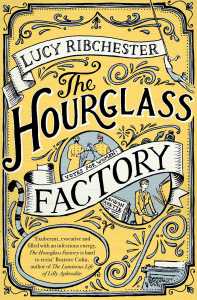 1912 and London is in turmoil…
The suffragette movement is reaching fever pitch but for broke Fleet Street tomboy Frankie George, just getting by in the cut-throat world of newspapers is hard enough. Sent to interview trapeze artist Ebony Diamond, Frankie finds herself fascinated by the tightly laced acrobat and follows her across London to a Mayfair corset shop that hides more than one dark secret.
Then Ebony Diamond mysteriously disappears in the middle of a performance, and Frankie is drawn into a world of tricks, society columnists, corset fetishists, suffragettes and circus freaks. How did Ebony vanish, who was she afraid of, and what goes on behind the doors of the mysterious Hourglass Factory?
From the newsrooms of Fleet Street to the drawing rooms of high society, the missing Ebony Diamond leads Frankie to the trail of a murderous villain with a plot more deadly than anyone could have imagined…
The Book Thief – Marcus Zusak
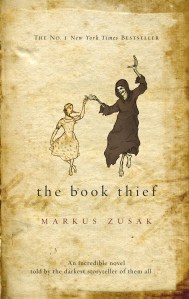 1939. Nazi Germany. The country is holding its breath. Death has never been busier.
Liesel, a nine-year-old girl, is living with a foster family on Himmel Street. Her parents have been taken away to a concentration camp. Liesel steals books. This is her story and the story of the inhabitants of her street when the bombs begin to fall.
It’s a small story, about:
a girl
an accordionist
some fanatical Germans
a Jewish fist fighter
and quite a lot of thievery.
The House at the End of Hope Street – Menna Van Praag
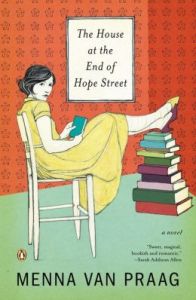 When Alba Ashby, the youngest Ph.D. student at Cambridge University, suffers the Worst Event of Her Life, she finds herself at the door of 11 Hope Street. There, a beautiful older woman named Peggy invites Alba to stay on the house’s unusual conditions: she’ll have ninety-nine nights, and no more, to turn her life around.
Once inside, Alba discovers that 11 Hope Street is no ordinary house. Past residents include Virginia Woolf, Dorothy Parker, and Agatha Christie, who all stayed there at hopeless times in their lives and who still hang around – quite literally – in talking portraits on the walls. With their help Alba begins to piece her life back together and embarks on a journey that may save her life.
Ladder of Years – Anne Tyler
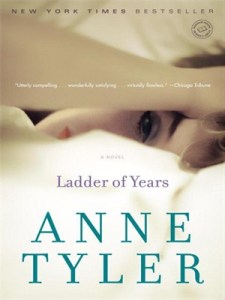 Forty-year-old Delia Grinstead is last seen strolling down the Delaware shore, wearing nothing more than a bathing suit and carrying a beach tote with five hundred dollars tucked inside.
To her husband and three almost-grown children, she has vanished without trace or reason. But for Delia, who feels like a tiny gnat buzzing around her family’s edges, “walking away from it all” is not a premeditated act, but an impulse that will lead her into a new, exciting, and unimagined life…
Did you treat yourself to any literary goodies this payday?
“In one aspect, yes, I believe in ghosts, but we create them. We haunt ourselves.” ― Laurie Halse Anderson
25th March 2015 at Whittlesey Library and Learning Centre, 7pm
Robert Lloyd Parry as M R James
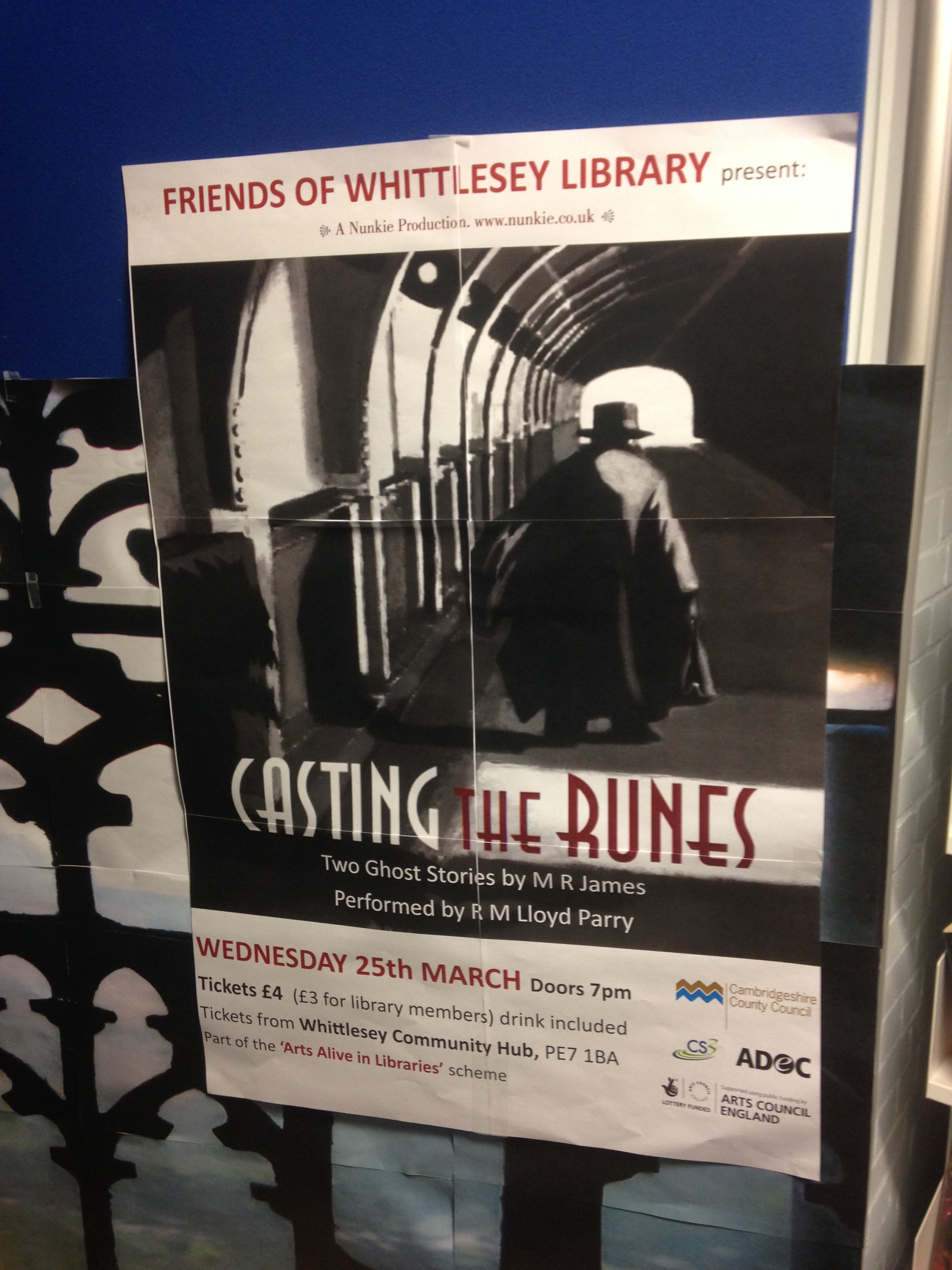 By now you will doubtless be familiar with my love of ghosts. So it will come as no surprise to know that I leapt at the opportunity to go to a ghost story reading. I was even more excited by the fact that the stories were those by none other than my favourite ghostly author, M R James. James’s Ghost Stories of an Antiquary is one of my bookshelf essentials. So I was simply quivering with anticipation from the day I was invited by my long-suffering best friend right up until the house lights went down and Robert Lloyd Parry took his place at the front of the audience.
The setting itself was less than spooky, a 20th century community building in the heart of a fenland market town, but the Arts Alive team had done a great job of creating a certain ghostly ambiance. The lights were dimmed, the audience assembled around a single high backed chair, nestled cosily next to a small wooden table topped with a decanter of ‘whisky’, several ageing leather backed books, a handful of old photographs and some other dusty artefacts.
 For those of you who are unfamiliar with M R James, there are so many reasons why you absolutely need to get hold of and read some of his short ghostly stories (I recommend to the highest degree possible Oh, Whistle, And I’ll Come To You, My Lad). James is nothing short of a master of the ghost story. His stories specialise in circumstance and the terrible events which can emerge from ignorant mortals meddling in the unknown. His writing is subtle, focusing on the small details; shadows, the voices of madmen and figures glimpsed out the corner of your eye. Like all great gothic writers, James allows his readers to create their own ghosts, existing only in their minds, and never once flitting across the parchment.
Robert Lloyd Parry did a stunning job donning M R James’s persona. The mind boggles at how he was able to reel off a 90 minute performance with such ease, never stumbling over his words or seeming to pause for thought. He expertly assumed not just James but each of his characters, never flinching or breaking character even for a second.
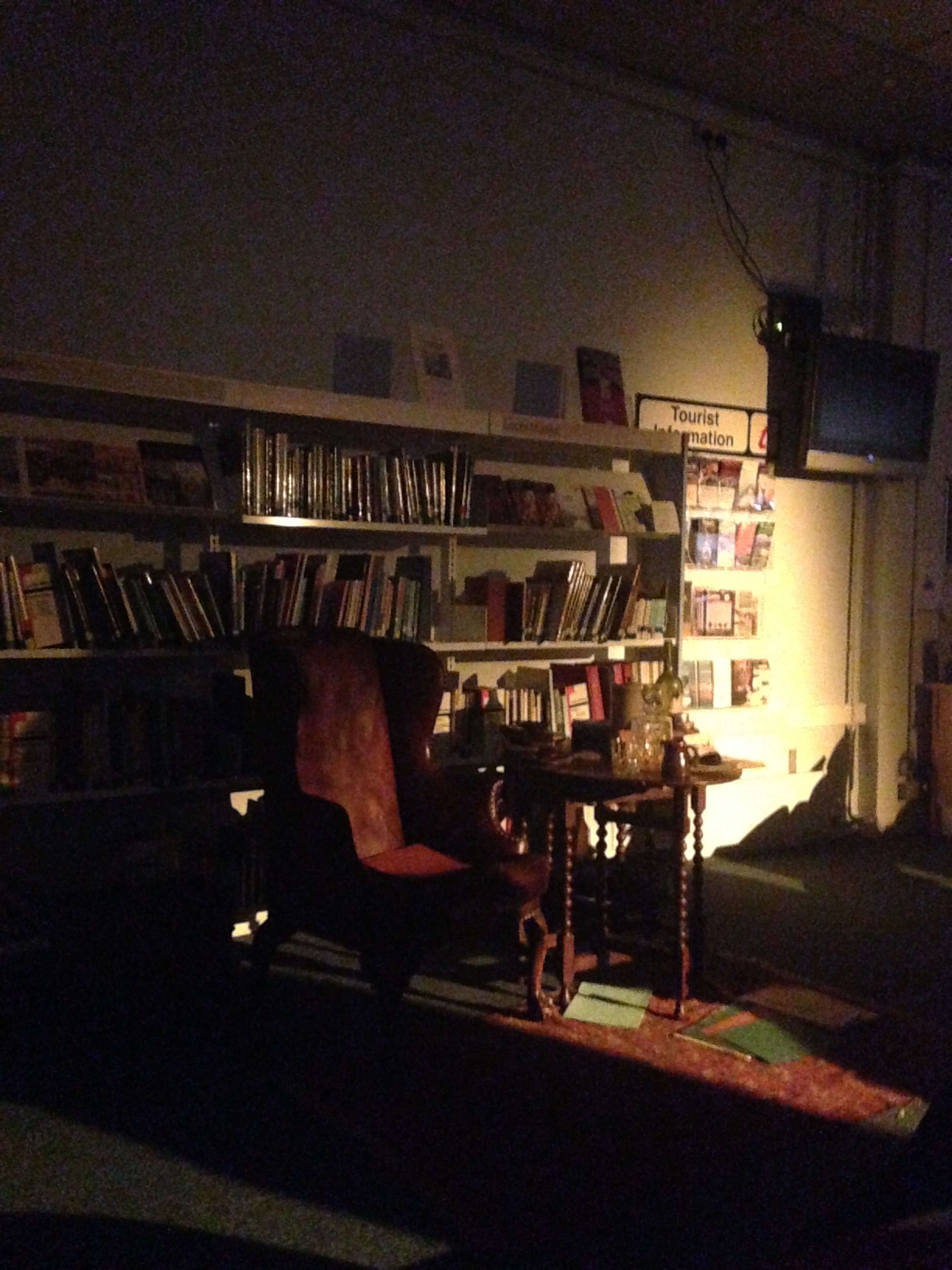 The first story – Casting The Runes – threw the audience back to 1903, and began by with the reading of a collection of letters. The letters informed an unknown character that a draft paper submitted for publishing in a programme was not to be included. These seemingly innocent notes paved the way for a series of strange and ghostly events including vanishing tram adverts, mysterious roadside leafleters, and unknown furry creatures lurking beneath bedclothes, all linked together by the passing of a cursed script. Parry told the story with remarkable ease, barely glancing even once at the audience, and framing the tale from multiple points of view.
When he came to the end of the first story, Parry rose from his chair for the first time and silently swept from the room, leaving the audience alone and awestruck. The house lights came up and we were able to mull about for a short time, enjoying a reasonably priced drink from the charity bar and discussing the past 45 minutes.
I was delighted to find that my other half – who before the event reported that he was ‘livid’ at my forcing him to come along to a ghost story reading – had thoroughly enjoyed the performance thus far. As, it seemed, had everyone else. I’d spent so long raving about M R James in the days running up to this event that I will confess to having been being slightly nervous that the performance would be met with anything other than pure wonderment.
 After a short interval the house lights went down, and we were quickly ushered back to our seats. Parry once more slipped into his seat and immediately transformed once again into the evenings faithful host.
The second tale – The Residence of Whitminster – which was in equal parts mesmerising and chilling, was an 18th century tale of the supernatural destruction of a Whitminster residence, beginning with the arrival of a gaunt young man, the disappearance of a jet black cockerel named Hannibal and the feverish rants of a distressed child. Parry assumed the persona of no less than eight characters, slipping seamlessly from one side of a conversation to another, in a performance which had the eyes of the audience glued to his every move.
I was overwhelmed by Parry’s performance; I went to the event as a lover of all things M R James, and was delighted that one man managed to do his work so much justice. The most remarkable thing about the event is one I am not sure I can adequately put into words. I could compare Parry’s performance to the alcohol induced ramblings of an ancient figure propped against the bar of a public house; a one way conversation with a compulsive storyteller; or the confession of one whose secrets have been kept for too long.
The event, I feel, is something you will have to see for yourself in order to fully appreciate it. One of the ladies in charge of Arts Alive said that the events had been very well received, and I can see why. Lovers of ghost stories, fans of M R James, and those who were even slightly intrigued by the beginning of this review, I urge you look and see if Robert Lloyd Parry is performing in a library near you.
 Jade the Obscure